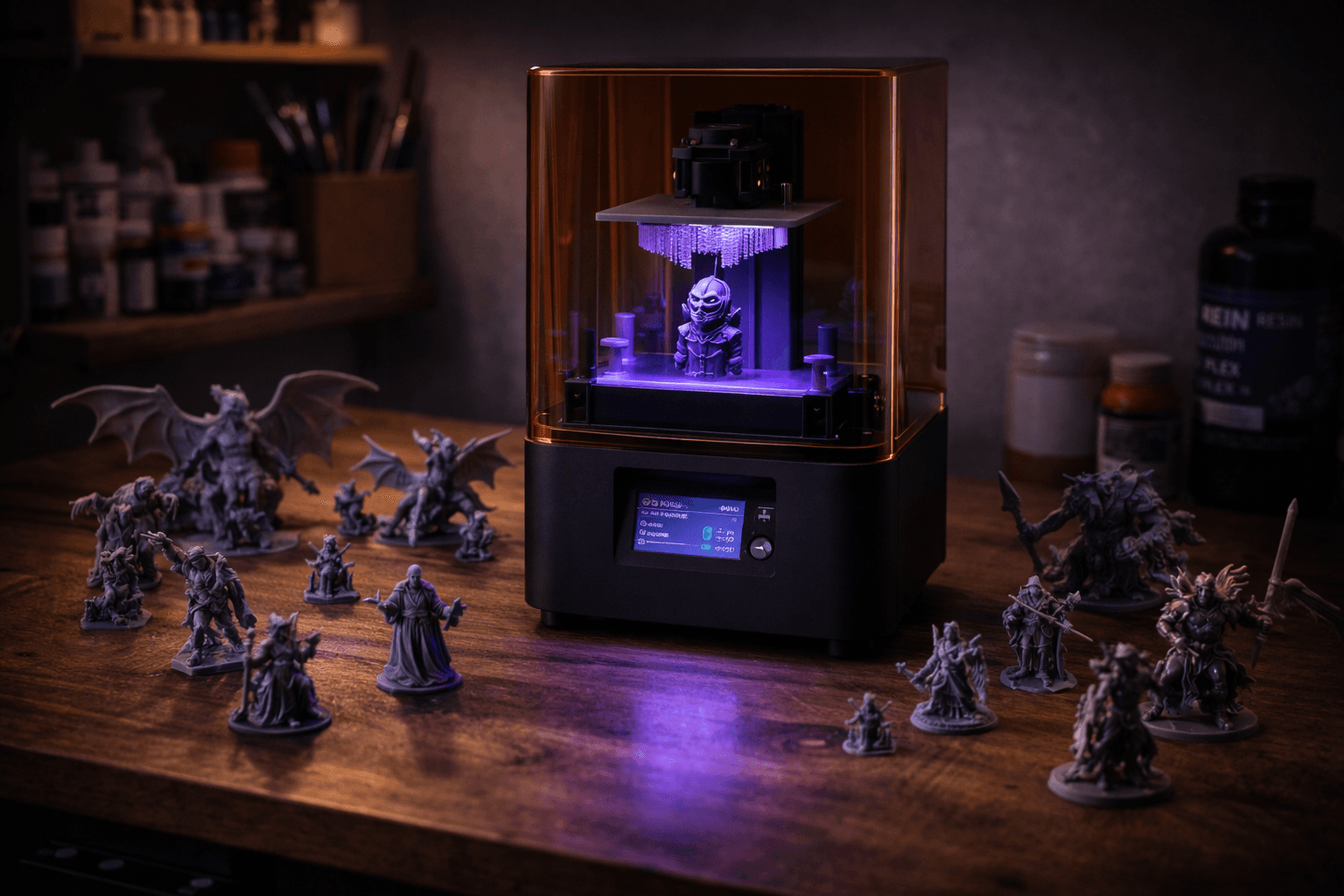
Elegoo Mars 5 Ultra
Elegoo Mars 5 Ultra
- Speed
- 150 mm/h
- Score
- 8.2/10
- Build
- 2.7 L
Buy at Elegoo
Amazon sets the current price. Check it on Amazon before you buy.
comparison · updated . Specs from the PrintPick catalog, checked 2026-09-29. Scores are PrintPick ratings out of 10.
By Shadman Rahman · Prices checked

Elegoo Mars 5 Ultra
Amazon sets the current price. Check it on Amazon before you buy.
Buy the Mars 5 Ultra. Top score of the 2 here.
Buy the Mars 5 Ultra. The tilt release alone justifies it: fewer failed prints means less wasted resin and less frustration on complex miniatures. For 99% of tabletop painters, 28 microns is indistinguishable from 22 microns on the table. The Sonic Mini 8K S resolution advantage shows up in macro photography and competition judges examining pieces under magnification. If that's your use case, pay the premium. If you can't specifically describe a project where 22 microns matters, save it.
Same scale within each chart. Teal is the best of the 2.
| Mars 5 Ultra | 8.2/10 (best) | |
|---|---|---|
| Sonic Mini 8K S | 7.2/10 |
| Mars 5 Ultra | 2.7 L (best) | |
|---|---|---|
| Sonic Mini 8K S | 2.1 L |
| Mars 5 Ultra | 150 mm/s (best) | |
|---|---|---|
| Sonic Mini 8K S | 80 mm/s |
14K resolution, or 22 microns. Both are aimed at miniature painters and detail-focused hobbyists. The Mars 5 Ultra is the full-featured package: tilt release, air purifier, WiFi, 14K. The Sonic Mini 8K S makes one argument and one argument only: higher pixel density. Whether that argument is worth a higher price and fewer features depends on what you actually print.
The Mars 5 Ultra is the printer that the miniature painting community has consolidated on as the standard recommendation, and the reasons go beyond resolution. The 14K mono LCD produces 28-micron XY pixels across a 153x77mm build plate, enough detail to reproduce every element a sculptor puts into a 28mm miniature, from chainmail links to facial expressions to gemstone cuts. For tabletop gaming use, where miniatures are viewed from arm's length, 28-micron precision is more than the naked eye can appreciate without magnification. The tilt release mechanism is the hardware differentiator that changes real-world results. Standard resin printers pull the build plate straight up after each layer cures, creating suction against the FEP film at the bottom of the resin vat. This suction is the mechanical force that tears thin spear shafts, fine banner poles, and outstretched miniature arms off the print. The Mars 5 Ultra's tilt mechanism peels each layer away laterally instead of pulling vertically, reducing peel force by roughly 70-80%, which translates directly to higher success rates on complex miniature geometry. Users report failed print rates well below 5% on standard miniature prints, compared to 10-20% failure rates common on printers without tilt systems. The built-in air purifier genuinely reduces the resin smell that makes many users reluctant to print in shared spaces. It does not eliminate fumes entirely, proper ventilation remains necessary, but it makes the Mars 5 Ultra considerably more acceptable in a bedroom or home office. WiFi connectivity removes the SD card transfer step from the workflow. The Mars 5 Ultra costs less than the Sonic Mini 8K S while offering more features. The single area where it yields ground is raw XY resolution.
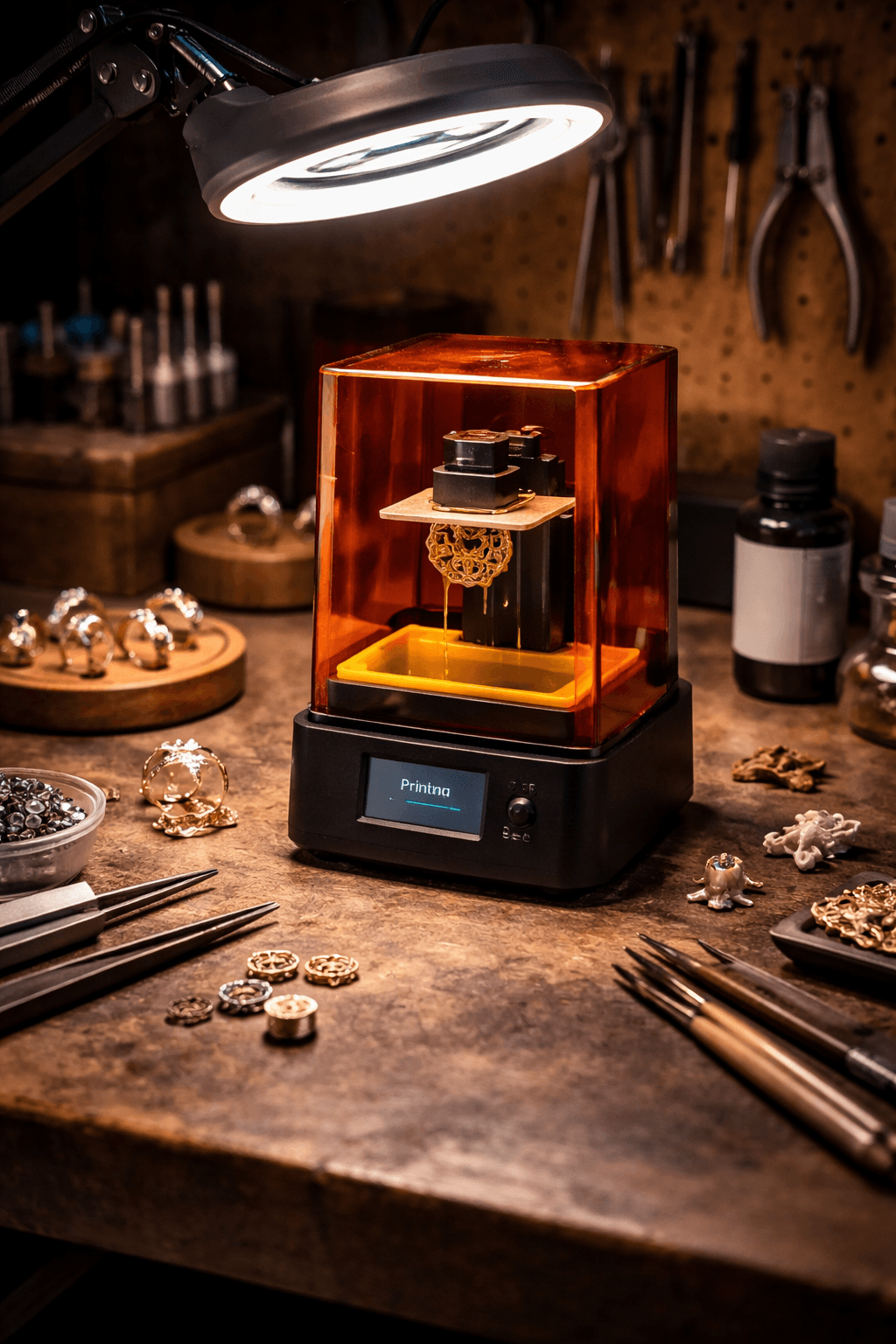
The Phrozen Sonic Mini 8K S makes one argument, and it is a technically correct one: 22-micron XY resolution is measurably finer than the Mars 5 Ultra's 28 microns, and under the right conditions, that difference is visible. The Sonic Mini 8K S achieves 22-micron pixels through an 8K resolution panel over a 165x72mm build plate, combining pixel count and plate dimensions to achieve the tightest pixel pitch available in any consumer resin printer currently shipping. The situations where 22 versus 28 microns produces a visible difference: organic surface textures (skin pores, fur, leather grain, bark) that have high-frequency variation at the micron scale; fine text smaller than 3-4mm that approaches the resolution limit; and competition display models photographed under macro lenses where the pixel grid of a 28-micron screen becomes visible as a subtle pattern in smooth surfaces. For 28mm tabletop miniatures examined at arm's length, most observers cannot distinguish prints from these two machines. For 75mm+ display models that will be macro-photographed, or for jewelry casting masters where texture fidelity affects the final cast surface, the 22-micron advantage is real and worth paying for. The tradeoffs: no tilt release mechanism means higher peel forces and elevated failure rates on complex overhangs, plan for 5-15% failed print rates on detailed miniature geometry versus the Mars 5 Ultra's sub-5%. No air purifier means stricter ventilation requirements. Print speed is moderate. It costs more while offering fewer convenience features. The Sonic Mini 8K S is the right choice specifically when maximum resolution defines your output requirements. Otherwise, the Mars 5 Ultra's combination of 14K detail, tilt release reliability, and air purifier is the better overall value.