Bambu Lab X2D vs Prusa Mini+
Head-to-head 3D printer comparison, 2026
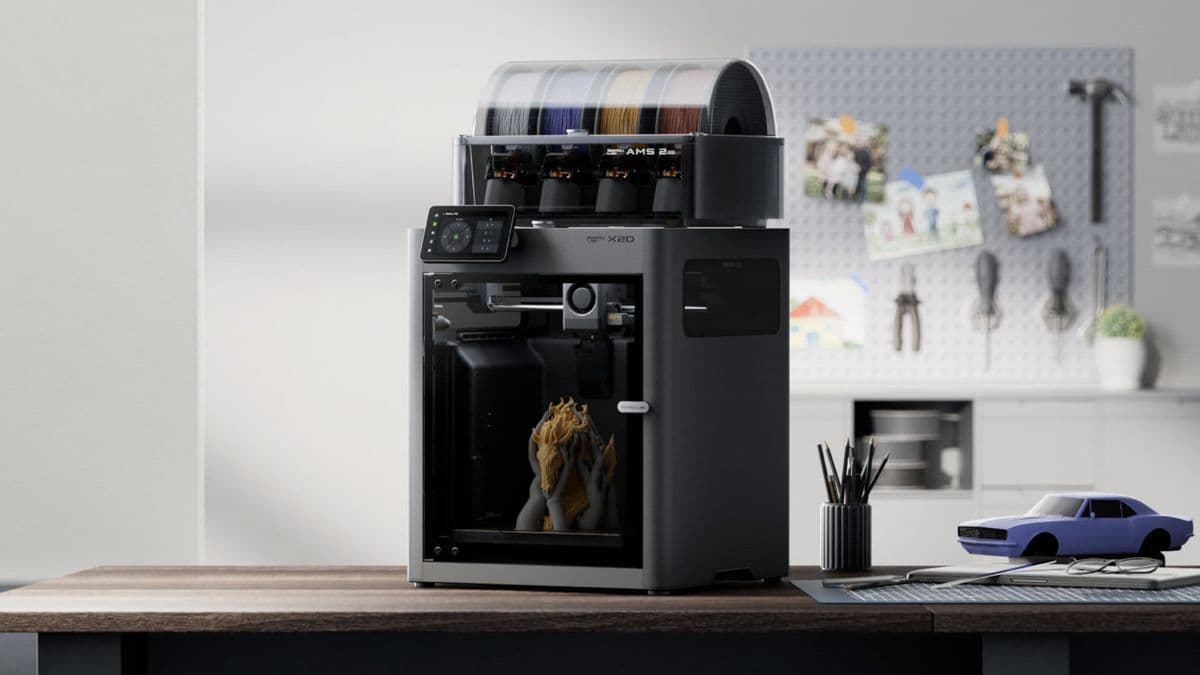
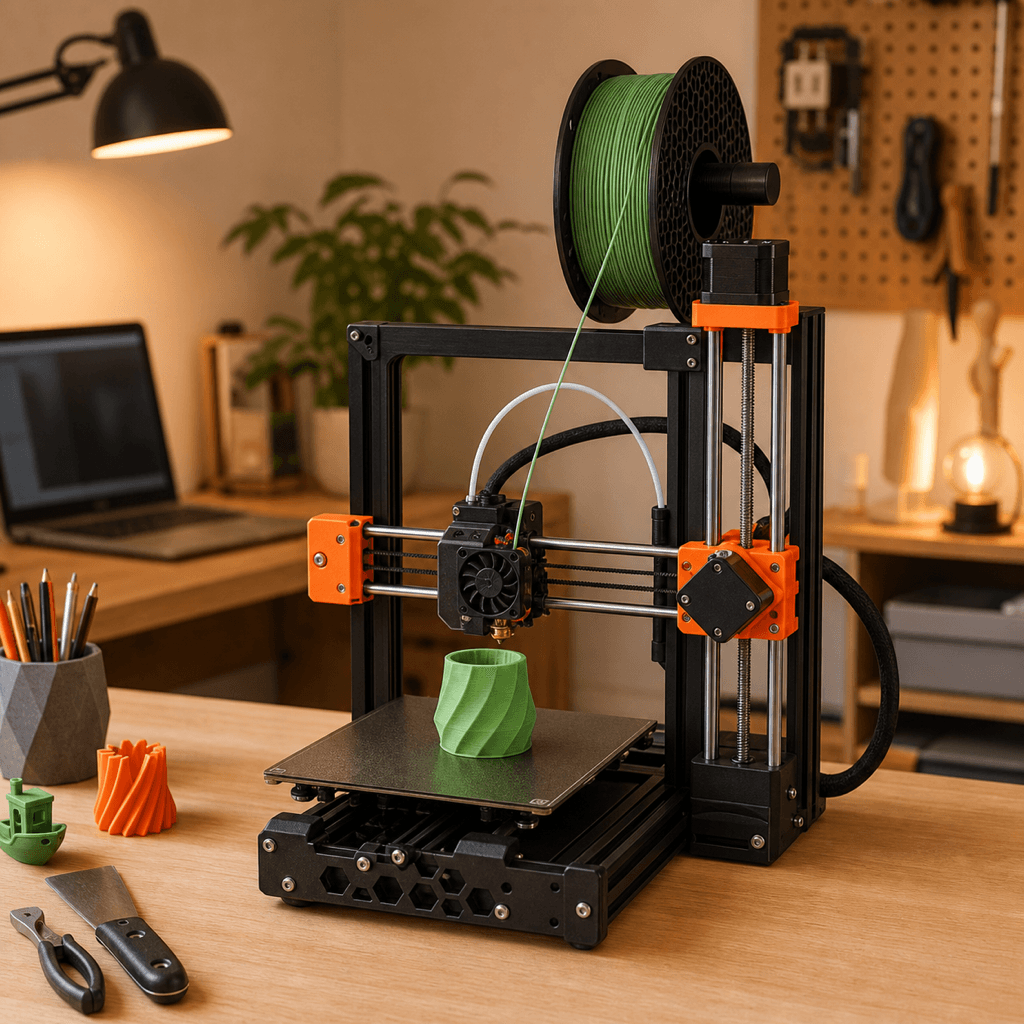
The Bambu Lab X2D and Prusa Mini+ are both FDM 3D printers competing in different tiers, $649 vs $459. Both are scored across value, beginner-friendliness, quality, speed, and reliability. Here's the full breakdown.
Our Verdict
The Bambu Lab X2D takes the crown with 8.8/10 vs 8.2/10. It pulls ahead in Print Quality, Speed. That said, the Prusa Mini+ saves you $190 and wins on Beginner Friendliness, Reliability.
Direct answer
Bambu Lab X2D is the better pick for most buyers.
Choose Bambu Lab X2D if you want the stronger overall score, better fit for professional and enclosed, and the safer recommendation. Choose Prusa Mini+ only if its specific strengths matter more to you than the overall result.
Winner by buyer type
Best overall
Bambu Lab X2D
Best value
Prusa Mini+
Best build volume
Bambu Lab X2D
Score Breakdown
Specifications
| Spec | Bambu Lab X2D | Prusa Mini+ |
|---|---|---|
| Price | $649 | $459 |
| Type | FDM | FDM |
| Build Volume | 256 x 256 x 260 mm | 180 x 180 x 180 mm |
| Print Speed | 600 mm/s | 180 mm/s |
| Min Resolution | 0.05 mm | 0.05 mm |
| Weight | 22 kg | 4 kg |
| Overall Score | 8.8/10 | 8.2/10 |
Pros & Cons
Bambu Lab X2D
+Dual nozzle at $649, a third of what the H2D costs
+65C heated chamber handles any engineering material you'll realistically use
+31 sensors and a servo extruder with real-time flow compensation
+$100 more than the P2S for dual nozzles and active chamber heating
+Sub-50dB and 3-stage HEPA: runs quietly in a home office
−Same build volume as the P2S, not the H2D's bigger 325mm
−Dual-extrusion mode shrinks the usable X to around 235.5mm
−Brand new. No long-term reliability data yet.
−Vision Encoder is extra, not in the base price
Prusa Mini+
+Prusa's reputation for reliability is earned — this is their most-owned printer globally
+PrusaSlicer profiles are the gold standard; third-party slicers treat Prusa as the reference
+Open-source means every component is documented, replaceable, and community-supported
+SuperPINDA gives consistently excellent first layers without manual tramming
+4kg makes it genuinely portable — fits in a carry-on with room
−180×180×180mm is small — limits to desk accessories, figurines, and small functional parts
−180mm/s is slow compared to Bambu or Creality CoreXY machines
−Semi-enclosed means ABS warping is still a risk without an aftermarket enclosure
−Prusa charges a premium; the hardware isn't exceptional by 2025 standards
Who Should Buy Which?
Choose the Bambu Lab X2D if you want:
- A great printer for professional
- A great printer for enclosed
- A great printer for engineering
- A great printer for speed
- Dual extruder (direct drive + bowden)
- 65C actively heated chamber
- 300C hotend with servo extruder and real-time flow sensing
Choose the Prusa Mini+ if you want:
- A great printer for reliability
- A great printer for beginner
- A great printer for value
- A great printer for desktop
- MINI/E input shaper toolhead (NextruderMINI compatible)
- SuperPINDA probe for first-layer precision
- Prusa Connect remote monitoring
Frequently Asked Questions
Is the Bambu Lab X2D better than the Prusa Mini+?
By the numbers, the Bambu Lab X2D scores higher (8.8/10). But "better" depends on your use case, the Prusa Mini+ may be the smarter buy if you need reliability.
Which is better for beginners, Bambu Lab X2D or Prusa Mini+?
The Prusa Mini+ is more beginner-friendly (9/10 vs 7/10) with easier setup and a gentler learning curve.
Is the Bambu Lab X2D worth $190 more than the Prusa Mini+?
The Bambu Lab X2D scores higher overall (8.8/10 vs 8.2/10). The extra $190 gets you dual nozzle at $649, a third of what the h2d costs.
What's the main difference between Bambu Lab X2D and Prusa Mini+?
Build volume (256x256x260mm vs 180x180x180mm) and print speed (600 vs 180 mm/s). The Bambu Lab X2D is best for professional; the Prusa Mini+ targets reliability.