Kingroon KP3S Pro V2 vs QIDI X-CF Pro
Head-to-head 3D printer comparison, 2026
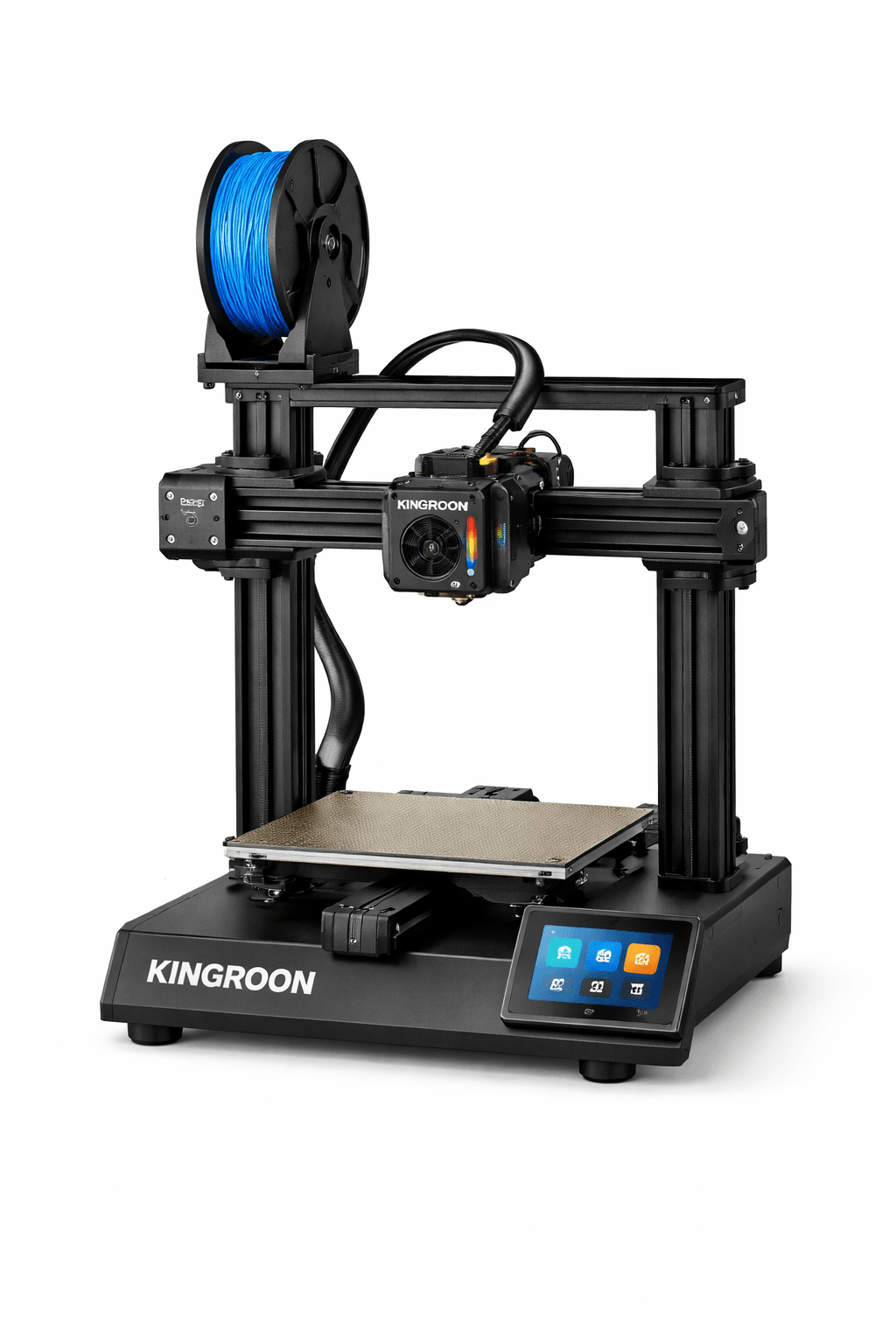
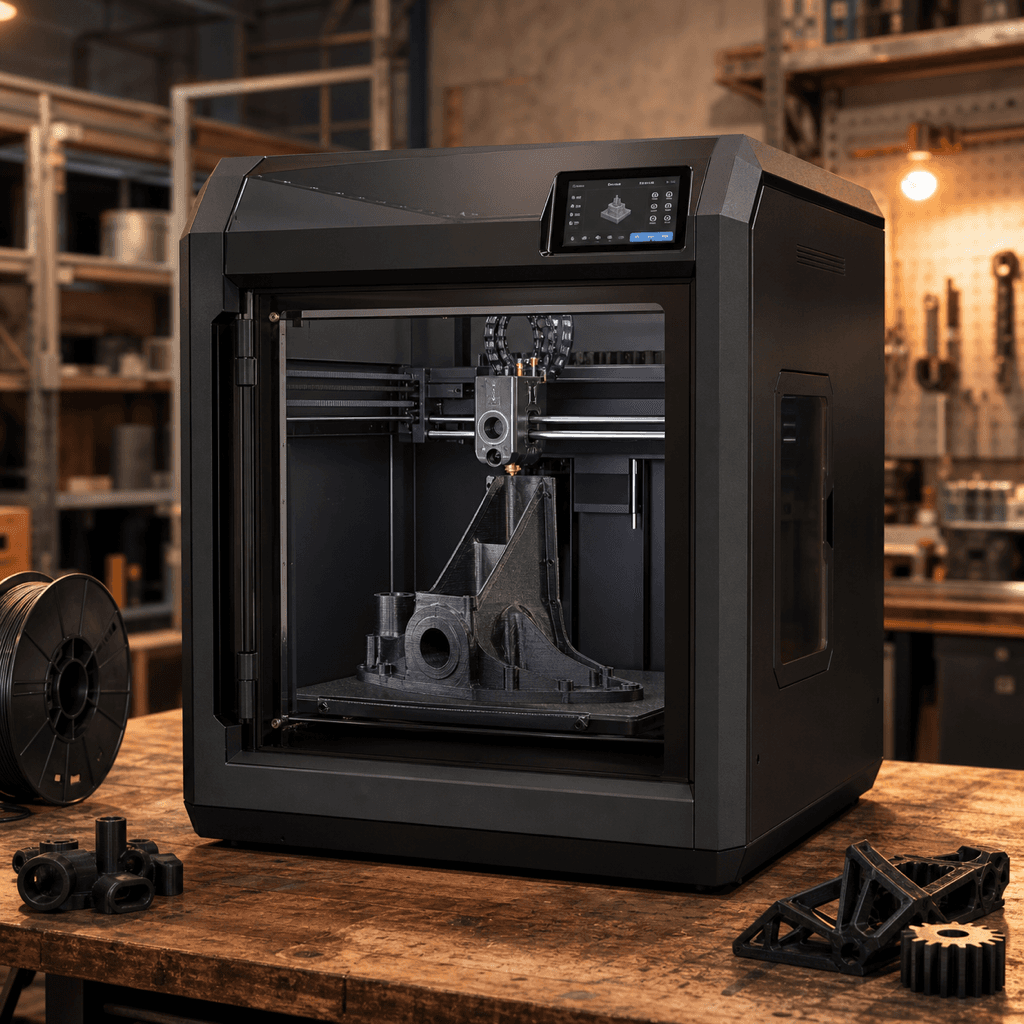
The Kingroon KP3S Pro V2 and QIDI X-CF Pro are both FDM 3D printers competing in different tiers, $159 vs $599. Both are scored across value, beginner-friendliness, quality, speed, and reliability. Here's the full breakdown.
Our Verdict
The Kingroon KP3S Pro V2 takes the crown with 7.2/10 vs 6.8/10. It pulls ahead in Value, Beginner Friendliness, Speed. The QIDI X-CF Pro still puts up a fight in Print Quality and Reliability.
Direct answer
Kingroon KP3S Pro V2 is the better pick for most buyers.
Choose Kingroon KP3S Pro V2 if you want the stronger overall score, better fit for budget and compact, and the safer recommendation. Choose QIDI X-CF Pro only if its specific strengths matter more to you than the overall result.
Winner by buyer type
Best overall
Kingroon KP3S Pro V2
Best value
Kingroon KP3S Pro V2
Best build volume
QIDI X-CF Pro
Score Breakdown
Specifications
| Spec | Kingroon KP3S Pro V2 | QIDI X-CF Pro |
|---|---|---|
| Price | $159 | $599 |
| Type | FDM | FDM |
| Build Volume | 200 x 200 x 200 mm | 300 x 250 x 300 mm |
| Print Speed | 250 mm/s | 100 mm/s |
| Min Resolution | 0.05 mm | 0.05 mm |
| Weight | 6.5 kg | 21.5 kg |
| Overall Score | 7.2/10 | 6.8/10 |
Pros & Cons
Kingroon KP3S Pro V2
+Linear rails at $159 is genuinely unusual: this feature normally costs $300+
+Direct drive handles TPU without the feeding nightmares of a Bowden setup
+Compact footprint fits on a shelf without dedicating a full desk to it
−200mm cube limits what you can print in one go
−Kingroon's community is small: if something breaks, you're mostly solving it alone
−Firmware is functional but hasn't had meaningful updates in a while
QIDI X-CF Pro
+One of the few sub-$600 printers with a genuine 60°C heated enclosure for PA-CF and PPS-CF
+Hardened steel nozzle ships standard — no upgrade needed for carbon fiber out of the box
+HEPA + active carbon filtration — safe for indoor use with engineering filaments
+Linear rails on all axes mean less positional drift on long industrial prints
+Proven track record in light manufacturing since 2021
−60-100mm/s print speed is 6x slower than modern CoreXY machines — long print times
−2021 vintage hardware; newer QIDI models (X-Plus 4, Tech Max) offer more for similar money
−Dual extruder adds mechanical complexity without multi-color usefulness for most users
−21.5kg — not portable, bench-only
−Slicer integration (Simplify3D profiles) trails modern Bambu/Creality ecosystems
Who Should Buy Which?
Choose the Kingroon KP3S Pro V2 if you want:
- A great printer for budget
- A great printer for compact
- Linear rails
- Direct drive
- Auto bed leveling
Choose the QIDI X-CF Pro if you want:
- A great printer for engineering
- A great printer for enclosed
- A great printer for professional
- A great printer for carbon-fiber
- Dual Z-axis for precise layer alignment
- High-temp enclosure (up to 60°C chamber)
- Hardened steel nozzle (CF-ready from factory)
Frequently Asked Questions
Is the Kingroon KP3S Pro V2 better than the QIDI X-CF Pro?
By the numbers, the Kingroon KP3S Pro V2 scores higher (7.2/10). But "better" depends on your use case, the QIDI X-CF Pro may be the smarter buy if you need engineering.
Which is better for beginners, Kingroon KP3S Pro V2 or QIDI X-CF Pro?
The Kingroon KP3S Pro V2 is more beginner-friendly (7/10 vs 5/10) with easier setup and a gentler learning curve.
Is the QIDI X-CF Pro worth $440 more than the Kingroon KP3S Pro V2?
The Kingroon KP3S Pro V2 actually scores higher (7.2/10) despite costing $440 less. The QIDI X-CF Pro only makes sense if you specifically need engineering.
What's the main difference between Kingroon KP3S Pro V2 and QIDI X-CF Pro?
Build volume (200x200x200mm vs 300x250x300mm) and print speed (250 vs 100 mm/s). The Kingroon KP3S Pro V2 is best for budget; the QIDI X-CF Pro targets engineering.