Prusa Mini+ vs QIDI X-CF Pro
Head-to-head 3D printer comparison, 2026
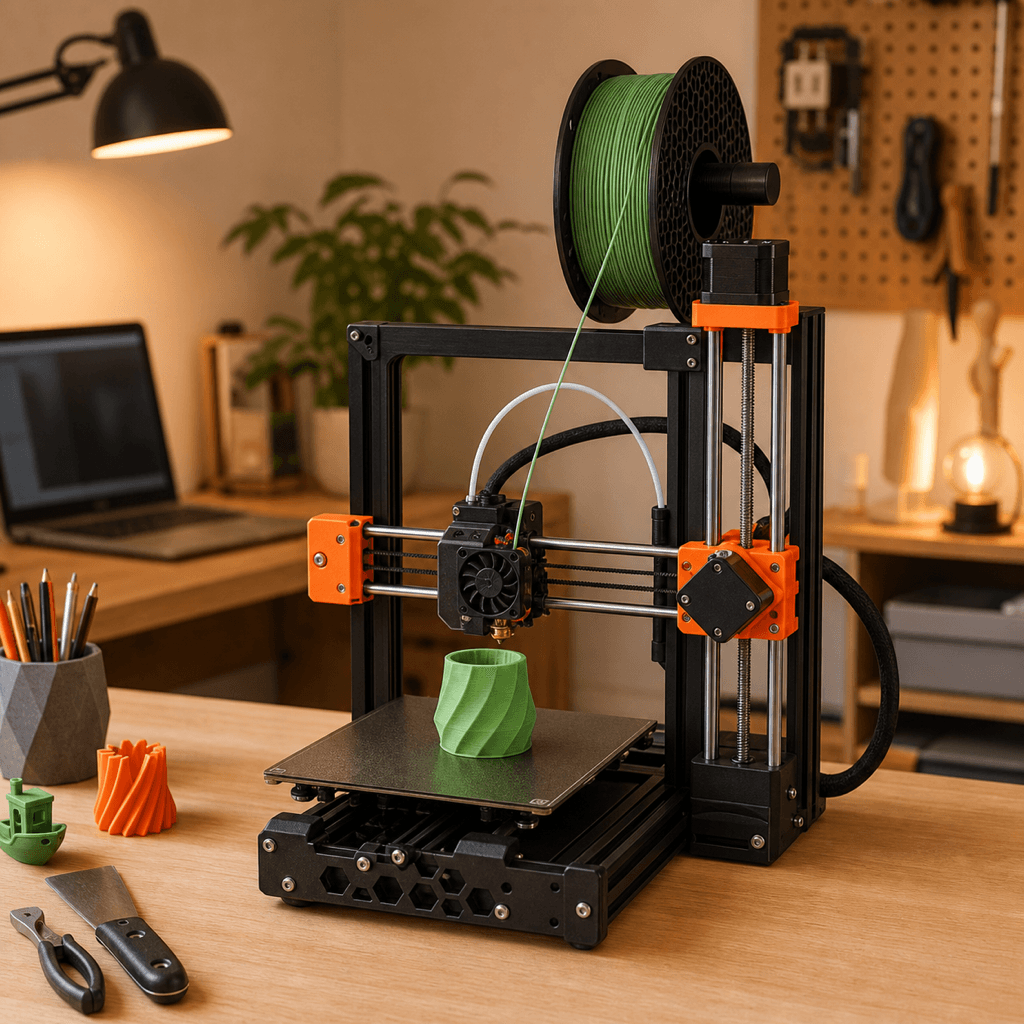
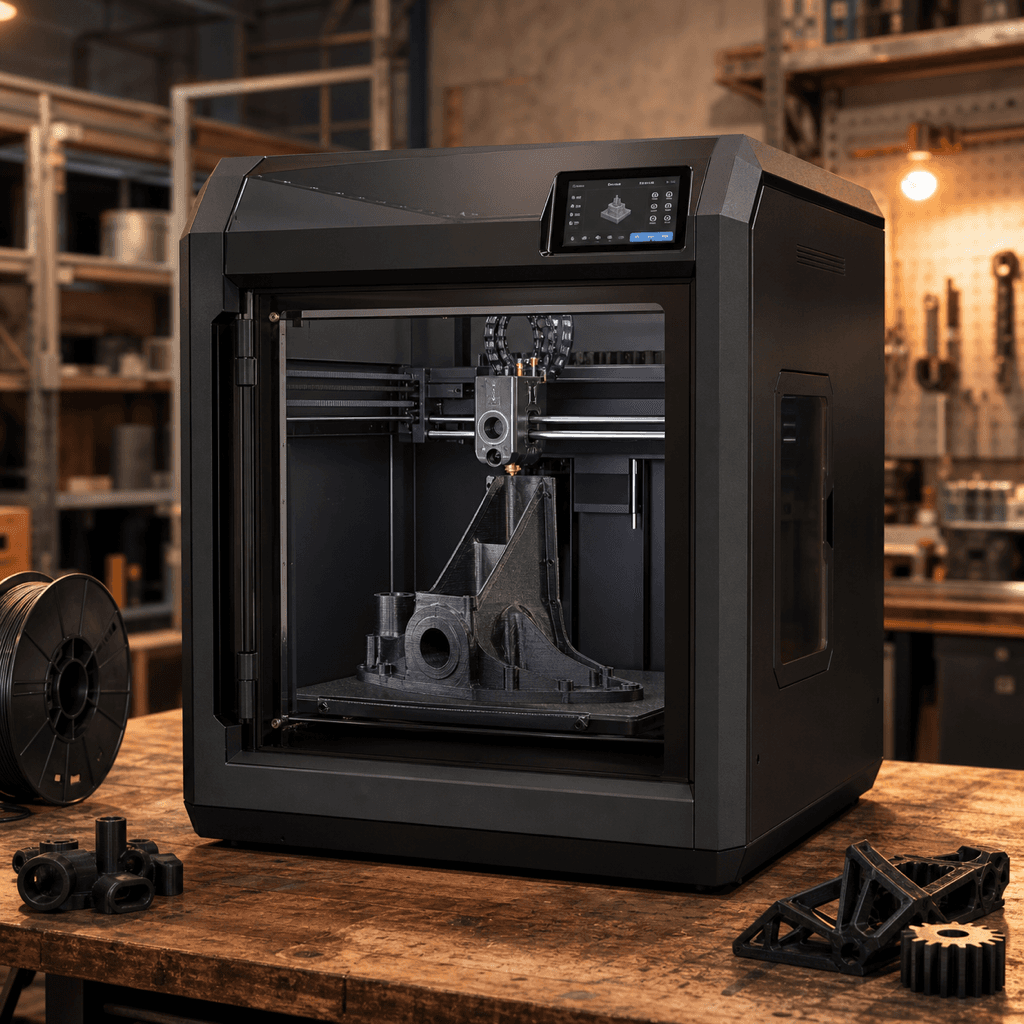
The Prusa Mini+ and QIDI X-CF Pro are both FDM 3D printers competing in different tiers, $459 vs $599. Both are scored across value, beginner-friendliness, quality, speed, and reliability. Here's the full breakdown.
Our Verdict
The Prusa Mini+ takes the crown with 8.2/10 vs 6.8/10. It pulls ahead in Value, Beginner Friendliness, Speed, Reliability.
Direct answer
Prusa Mini+ is the better pick for most buyers.
Choose Prusa Mini+ if you want the stronger overall score, better fit for reliability and beginner, and the safer recommendation. Choose QIDI X-CF Pro only if its specific strengths matter more to you than the overall result.
Winner by buyer type
Best overall
Prusa Mini+
Best value
Prusa Mini+
Best build volume
QIDI X-CF Pro
Score Breakdown
Specifications
| Spec | Prusa Mini+ | QIDI X-CF Pro |
|---|---|---|
| Price | $459 | $599 |
| Type | FDM | FDM |
| Build Volume | 180 x 180 x 180 mm | 300 x 250 x 300 mm |
| Print Speed | 180 mm/s | 100 mm/s |
| Min Resolution | 0.05 mm | 0.05 mm |
| Weight | 4 kg | 21.5 kg |
| Overall Score | 8.2/10 | 6.8/10 |
Pros & Cons
Prusa Mini+
+Prusa's reputation for reliability is earned — this is their most-owned printer globally
+PrusaSlicer profiles are the gold standard; third-party slicers treat Prusa as the reference
+Open-source means every component is documented, replaceable, and community-supported
+SuperPINDA gives consistently excellent first layers without manual tramming
+4kg makes it genuinely portable — fits in a carry-on with room
−180×180×180mm is small — limits to desk accessories, figurines, and small functional parts
−180mm/s is slow compared to Bambu or Creality CoreXY machines
−Semi-enclosed means ABS warping is still a risk without an aftermarket enclosure
−Prusa charges a premium; the hardware isn't exceptional by 2025 standards
QIDI X-CF Pro
+One of the few sub-$600 printers with a genuine 60°C heated enclosure for PA-CF and PPS-CF
+Hardened steel nozzle ships standard — no upgrade needed for carbon fiber out of the box
+HEPA + active carbon filtration — safe for indoor use with engineering filaments
+Linear rails on all axes mean less positional drift on long industrial prints
+Proven track record in light manufacturing since 2021
−60-100mm/s print speed is 6x slower than modern CoreXY machines — long print times
−2021 vintage hardware; newer QIDI models (X-Plus 4, Tech Max) offer more for similar money
−Dual extruder adds mechanical complexity without multi-color usefulness for most users
−21.5kg — not portable, bench-only
−Slicer integration (Simplify3D profiles) trails modern Bambu/Creality ecosystems
Who Should Buy Which?
Choose the Prusa Mini+ if you want:
- A great printer for reliability
- A great printer for beginner
- A great printer for value
- A great printer for desktop
- MINI/E input shaper toolhead (NextruderMINI compatible)
- SuperPINDA probe for first-layer precision
- Prusa Connect remote monitoring
Choose the QIDI X-CF Pro if you want:
- A great printer for engineering
- A great printer for enclosed
- A great printer for professional
- A great printer for carbon-fiber
- Dual Z-axis for precise layer alignment
- High-temp enclosure (up to 60°C chamber)
- Hardened steel nozzle (CF-ready from factory)
Frequently Asked Questions
Is the Prusa Mini+ better than the QIDI X-CF Pro?
By the numbers, the Prusa Mini+ scores higher (8.2/10). But "better" depends on your use case, the QIDI X-CF Pro may be the smarter buy if you need engineering.
Which is better for beginners, Prusa Mini+ or QIDI X-CF Pro?
The Prusa Mini+ is more beginner-friendly (9/10 vs 5/10) with easier setup and a gentler learning curve.
Is the QIDI X-CF Pro worth $140 more than the Prusa Mini+?
The Prusa Mini+ actually scores higher (8.2/10) despite costing $140 less. The QIDI X-CF Pro only makes sense if you specifically need engineering.
What's the main difference between Prusa Mini+ and QIDI X-CF Pro?
Build volume (180x180x180mm vs 300x250x300mm) and print speed (180 vs 100 mm/s). The Prusa Mini+ is best for reliability; the QIDI X-CF Pro targets engineering.