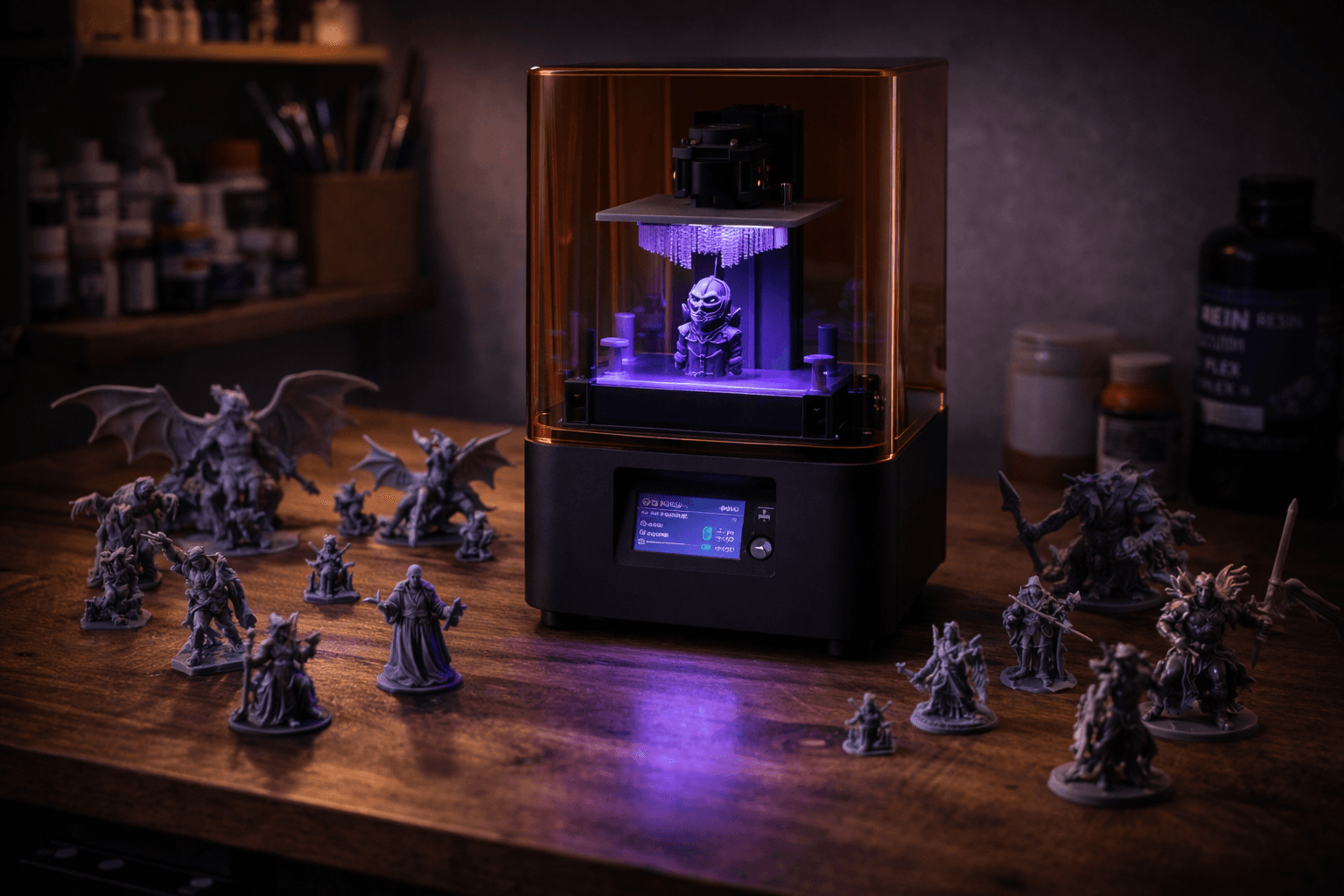
Elegoo Mars 5 Ultra
Safest Overall, Built-In Air Purifier
- Price
- $284
- Score
- 8.2/10
- Build
- 2.7 L
Buy on Amazon, $284
US price in USD, approximate. Your price at checkout can differ by store and country.
guide · updated . Specs and US prices from the PrintPick catalog, checked 2026-09-29. Scores are PrintPick ratings out of 10.
By Shadman Rahman · Prices checked
Safest Overall, Built-In Air Purifier
US price in USD, approximate. Your price at checkout can differ by store and country.
Buy the Mars 5 Ultra. Top score of the 4 here.
Resin 3D printing is safe indoors when you respect the chemistry. The non-negotiable minimum: nitrile gloves every time you touch resin or prints, ventilation (even a window and desk fan), and a respirator during post-processing. For the most hassle-free indoor experience, the Elegoo Mars 5 Ultra's built-in air purifier does most of the heavy lifting. For budget setups, the Anycubic Photon Mono 4 with a DIY ventilation kit works well. Whatever printer you choose, never pour resin down a drain (it's toxic to aquatic life), always cure waste resin under UV light before disposal, and store resin bottles away from sunlight in a cool space. With basic precautions, thousands of hobbyists safely resin print in apartments, spare bedrooms, and home offices every day.
Same scale within each chart. Teal is the best of the 4.
| Mars 5 Ultra | $284 | |
|---|---|---|
| Saturn 4 Ultra | $459 | |
| Photon Mono 4 | $210 (best) | |
| Sonic Mini 8K S | $329 |
| Mars 5 Ultra | 8.2/10 (best) | |
|---|---|---|
| Saturn 4 Ultra | 7.8/10 | |
| Photon Mono 4 | 7.4/10 | |
| Sonic Mini 8K S | 7.2/10 |
| Mars 5 Ultra | 2.7 L | |
|---|---|---|
| Saturn 4 Ultra | 5.9 L (best) | |
| Photon Mono 4 | 1.3 L | |
| Sonic Mini 8K S | 2.1 L |
| Mars 5 Ultra | 150 mm/s (best) | |
|---|---|---|
| Saturn 4 Ultra | 150 mm/s (best) | |
| Photon Mono 4 | 100 mm/s | |
| Sonic Mini 8K S | 80 mm/s |
Resin 3D printing produces the finest detail in consumer 3D printing, miniatures, jewelry, dental models, and cosplay pieces that FDM simply can't match. But there's a catch: liquid resin is toxic. Uncured photopolymer resin contains chemicals (primarily acrylates and photoinitiators) that irritate skin, eyes, and respiratory systems. The fumes released during printing, volatile organic compounds (VOCs), can cause headaches, nausea, and long-term sensitization with repeated unprotected exposure. So is resin printing safe indoors? Yes, with the right setup. Thousands of hobbyists safely print resin in spare bedrooms, garages, and even closets. The key is a combination of ventilation, personal protective equipment (PPE), and choosing printers with built-in safety features. This guide covers exactly what you need: the science behind resin fumes, the minimum ventilation requirements, the PPE that actually matters, and four printers that make indoor resin printing as safe as possible. We're not going to tell you resin is harmless, it's not. We're going to tell you how to manage the risk so you can enjoy the hobby without compromising your health.
The Mars 5 Ultra is the best resin printer for indoor use because of its built-in activated carbon air purifier. The purifier runs continuously during printing, pulling air through a carbon filter that absorbs VOCs before they reach your room. It doesn't eliminate 100% of fumes, no printer-integrated system does, but it reduces VOC concentration by approximately 60-70% compared to printers without filtration. Combined with basic ventilation (an open window or small desk fan pointing out), the Mars 5 Ultra makes resin printing in a spare room genuinely practical. The enclosed UV chamber also prevents accidental resin exposure from ambient light, and the tilt-release mechanism reduces the chance of failed prints (which means less uncured resin to handle and clean up). For the safest indoor setup, pair the Mars 5 Ultra with a mercury-vapor respirator mask ($25-35 on Amazon), nitrile gloves, and a Wash & Cure station. The built-in purifier handles ambient fumes during printing; the respirator protects you during post-processing (washing, curing, removing supports) when resin exposure is highest.
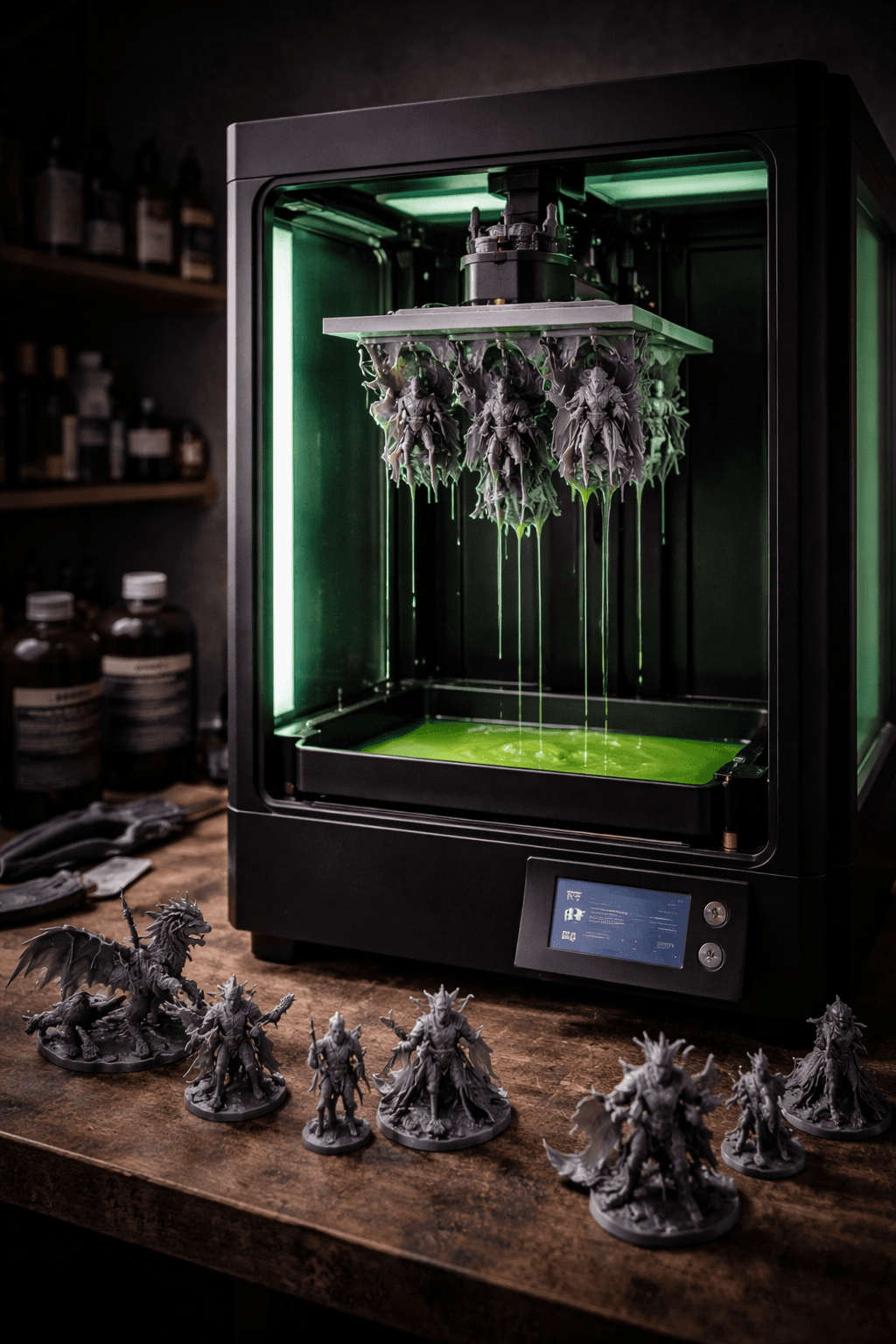
The Saturn 4 Ultra is the big brother of the Mars 5 Ultra with the same safety-first design philosophy. The built-in air purifier uses the same activated carbon filtration system, and the larger enclosed build chamber actually helps contain fumes better than smaller printers because there's more volume for the purifier to process before fumes reach the room. If you're printing larger miniatures, busts, or cosplay pieces, the 218x123x260mm build volume is substantially more useful than the Mars's smaller plate. You'll handle resin less frequently (fewer print batches to achieve the same output) which reduces your overall exposure. The larger FEP film also means lower peel forces per unit area, resulting in fewer failed prints, a significant safety benefit because failed prints mean manually handling uncured resin. Safety tip for large-format resin printing: the larger your build volume, the more resin you'll have in the vat. Always pour resin slowly to avoid splashing, and keep the vat covered when not in use. UV-blocking lids are essential, accidental light exposure can partially cure resin in the vat, ruining your next print and creating a difficult cleaning job.
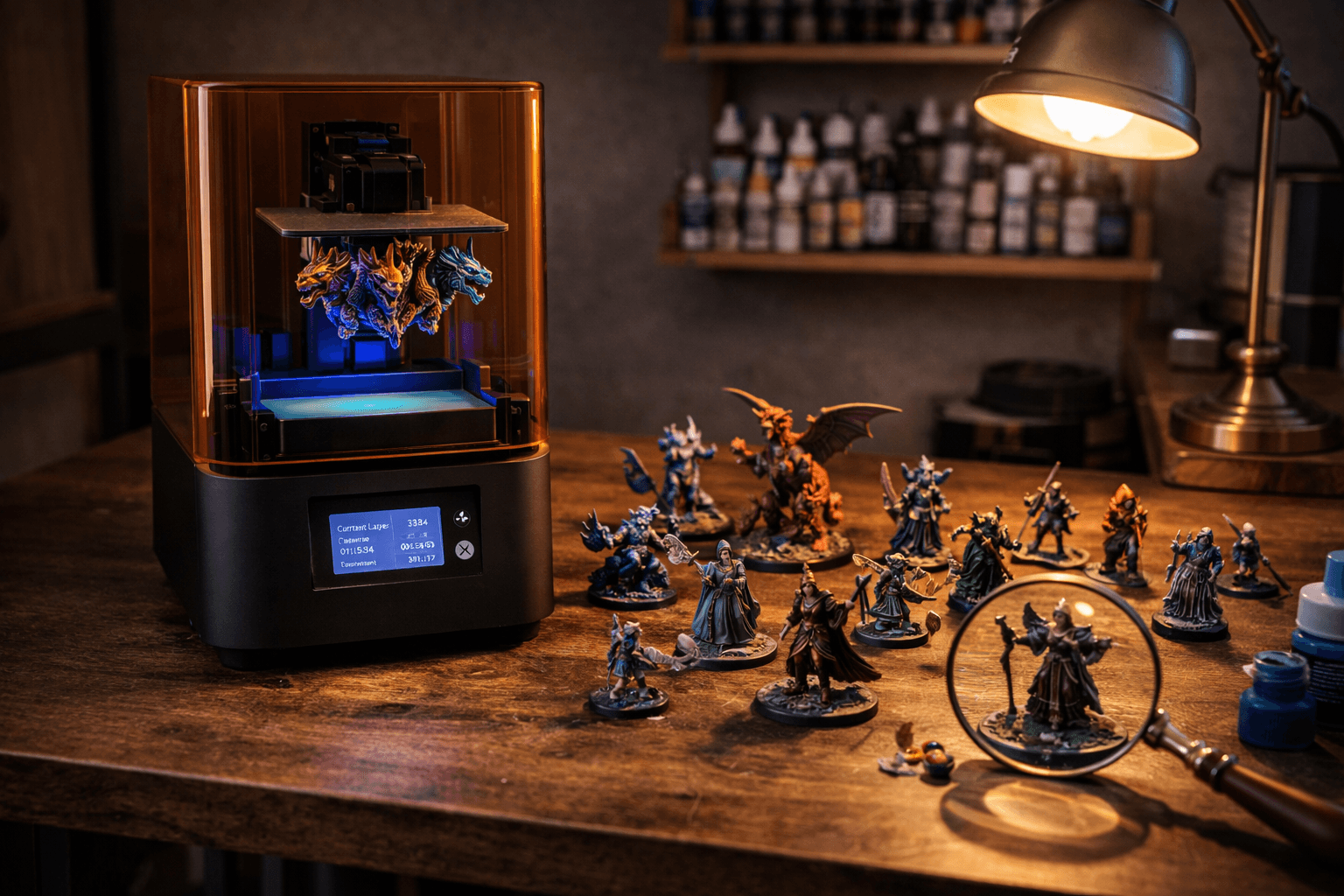
The Photon Mono 4 doesn't have a built-in air purifier, but at $210 it's the cheapest way to start resin printing, and you can build a safe setup around it for under $50 more. The key is ventilation: place the printer near a window and use a small USB fan ($10) to create airflow from behind the printer out through the window. This simple cross-ventilation setup removes the majority of VOCs from your breathing space. Add a $15 activated carbon filter (the kind sold for grow tents) in front of the fan for additional filtration. The total setup cost: $210 printer + $25 ventilation = $235, which is still cheaper than printers with built-in purifiers. The trade-off is manual effort, you need to set up and maintain the ventilation yourself, replace carbon filters every 2-3 months, and be more disciplined about PPE since there's no automated air cleaning. For budget-conscious hobbyists who are willing to invest 30 minutes in a ventilation setup, the Mono 4 is a viable indoor option. Just don't skip the ventilation, printing in an unventilated room without PPE is where real health risks begin.
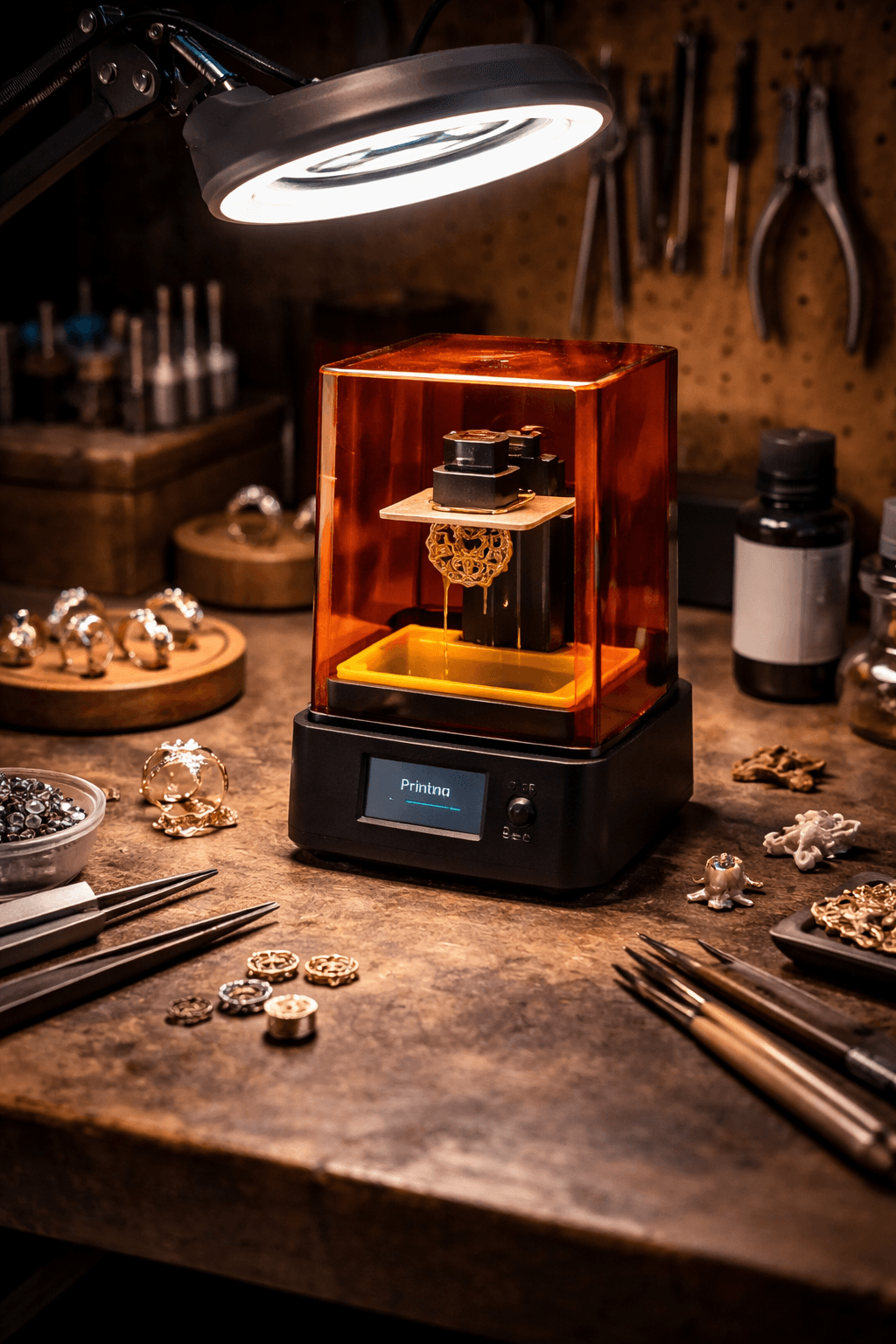
The Sonic Mini 8K S takes a different approach to indoor safety: minimize the amount of resin you need to handle. Its 22-micron pixel resolution is the finest available under $300, meaning you can print incredibly detailed miniatures at smaller scales, 15mm instead of 28mm, using dramatically less resin per print. Less resin in the vat means fewer refills, less post-processing, and less chemical exposure overall. The Sonic Mini 8K S doesn't have a built-in air purifier, so you'll need external ventilation. But its compact size (smallest printer on this list) makes it easy to place inside a ventilated enclosure. Many users build a simple enclosure from a clear storage bin with a hole cut for an exhaust fan, total cost under $20, that effectively contains all fumes. For miniature painters and tabletop gamers who print small, detailed pieces, the Sonic Mini 8K S combines the best detail quality with inherently lower resin consumption. Pair it with plant-based or low-odor resins (Elegoo Water Washable or Siraya Tech Fast) for the least offensive indoor printing experience.