Bambu Lab A1 Mini vs QIDI X-Plus 3
Head-to-head 3D printer comparison, 2026
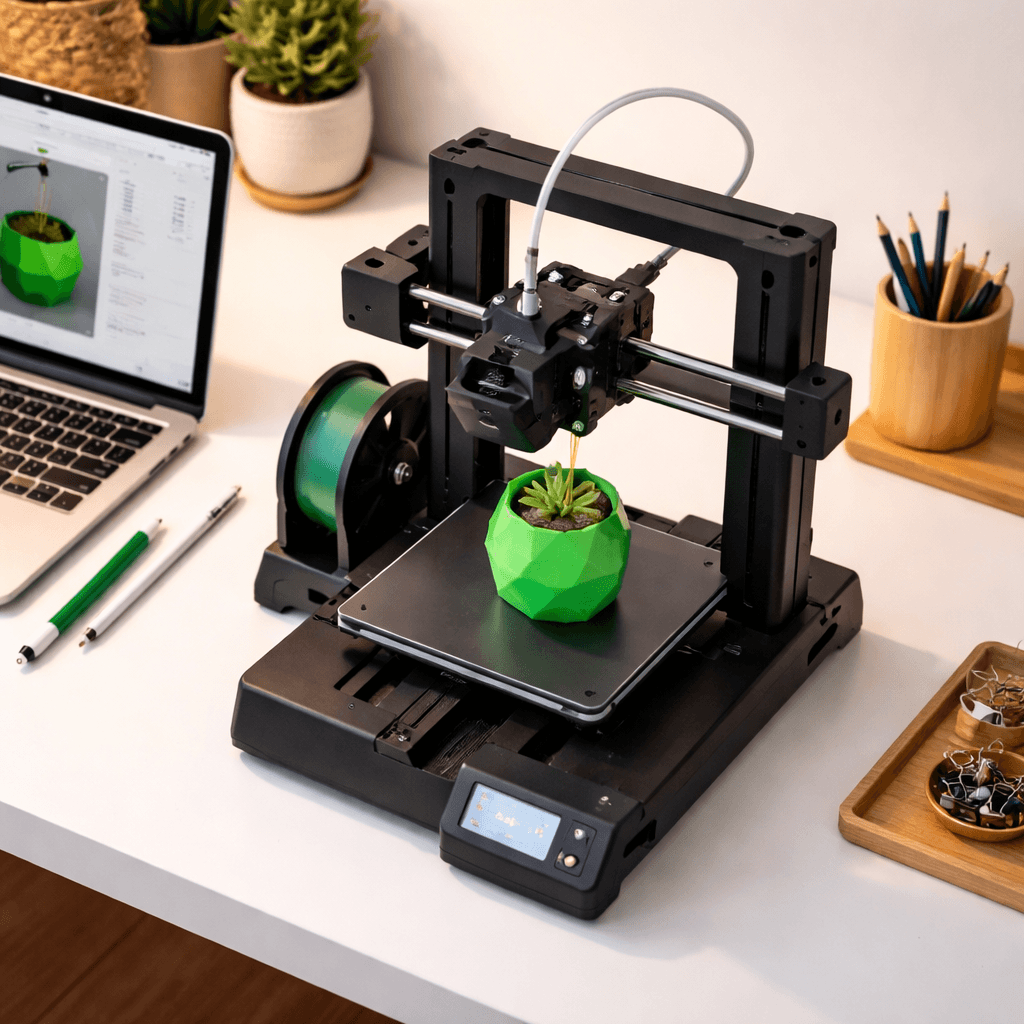
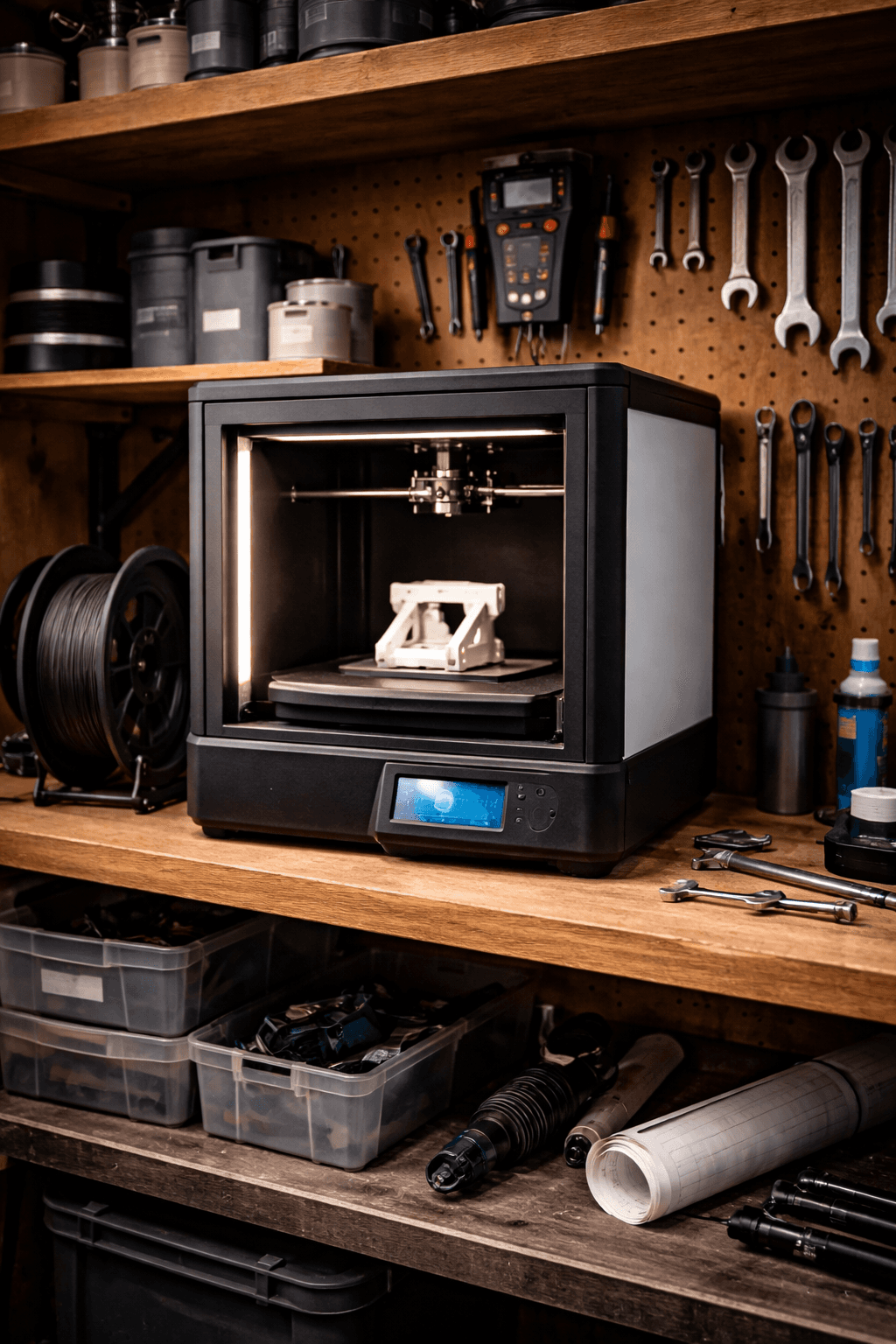
The Bambu Lab A1 Mini and QIDI X-Plus 3 are both FDM 3D printers competing in different tiers, $199 vs $499. Both are scored across value, beginner-friendliness, quality, speed, and reliability. Here's the full breakdown.
Our Verdict
The Bambu Lab A1 Mini takes the crown with 9.2/10 vs 8.4/10. It pulls ahead in Value, Beginner Friendliness, Reliability. The QIDI X-Plus 3 still puts up a fight in Print Quality.
Direct answer
Bambu Lab A1 Mini is the better pick for most buyers.
Choose Bambu Lab A1 Mini if you want the stronger overall score, better fit for beginners and budget, and the safer recommendation. Choose QIDI X-Plus 3 only if its specific strengths matter more to you than the overall result.
Winner by buyer type
Best overall
Bambu Lab A1 Mini
Best value
Bambu Lab A1 Mini
Best build volume
QIDI X-Plus 3
Score Breakdown
Specifications
| Spec | Bambu Lab A1 Mini | QIDI X-Plus 3 |
|---|---|---|
| Price | $199 | $499 |
| Type | FDM | FDM |
| Build Volume | 180 x 180 x 180 mm | 280 x 280 x 270 mm |
| Print Speed | 500 mm/s | 600 mm/s |
| Min Resolution | 0.05 mm | 0.05 mm |
| Weight | 5.5 kg | 17 kg |
| Overall Score | 9.2/10 | 8.4/10 |
Pros & Cons
Bambu Lab A1 Mini
+Full Bambu ecosystem at $199, not a cut-down version
+Footprint smaller than a sheet of A4 paper
+Prints reliably straight from the box, no tinkering required
+Upgrade path to multi-color via AMS Lite if the bug hits later
−180mm cube is genuinely limiting for anything beyond small parts
−No enclosure means ABS is a non-starter
−Multi-color costs extra; the Combo does it better
QIDI X-Plus 3
+60C active chamber heating is the real feature: ABS stops warping, Nylon actually sticks
+Handles PA, PC, and carbon-fiber composites without drama
+CoreXY at 600mm/s inside a heated enclosure is genuinely rare under $600
+280mm build volume is larger than most enclosed competitors at this price
−QIDI's slicer software feels like 2020: functional but not pleasant
−Community is small; problems require more DIY solving than Bambu or Creality
−Some components are proprietary, which makes upgrades harder
Who Should Buy Which?
Choose the Bambu Lab A1 Mini if you want:
- A great printer for beginners
- A great printer for budget
- A great printer for compact
- Auto bed leveling
- WiFi
- Camera
Choose the QIDI X-Plus 3 if you want:
- A great printer for engineering
- A great printer for abs
- A great printer for enclosed
- A great printer for speed
- Enclosed
- CoreXY
- Chamber heating (60C)
Frequently Asked Questions
Is the Bambu Lab A1 Mini better than the QIDI X-Plus 3?
By the numbers, the Bambu Lab A1 Mini scores higher (9.2/10). But "better" depends on your use case, the QIDI X-Plus 3 may be the smarter buy if you need engineering.
Which is better for beginners, Bambu Lab A1 Mini or QIDI X-Plus 3?
The Bambu Lab A1 Mini is more beginner-friendly (10/10 vs 7/10) with easier setup and a gentler learning curve.
Is the QIDI X-Plus 3 worth $300 more than the Bambu Lab A1 Mini?
The Bambu Lab A1 Mini actually scores higher (9.2/10) despite costing $300 less. The QIDI X-Plus 3 only makes sense if you specifically need engineering.
What's the main difference between Bambu Lab A1 Mini and QIDI X-Plus 3?
Build volume (180x180x180mm vs 280x280x270mm) and print speed (500 vs 600 mm/s). The Bambu Lab A1 Mini is best for beginners; the QIDI X-Plus 3 targets engineering.