Creality K1C vs Prusa Mini+
Head-to-head 3D printer comparison, 2026
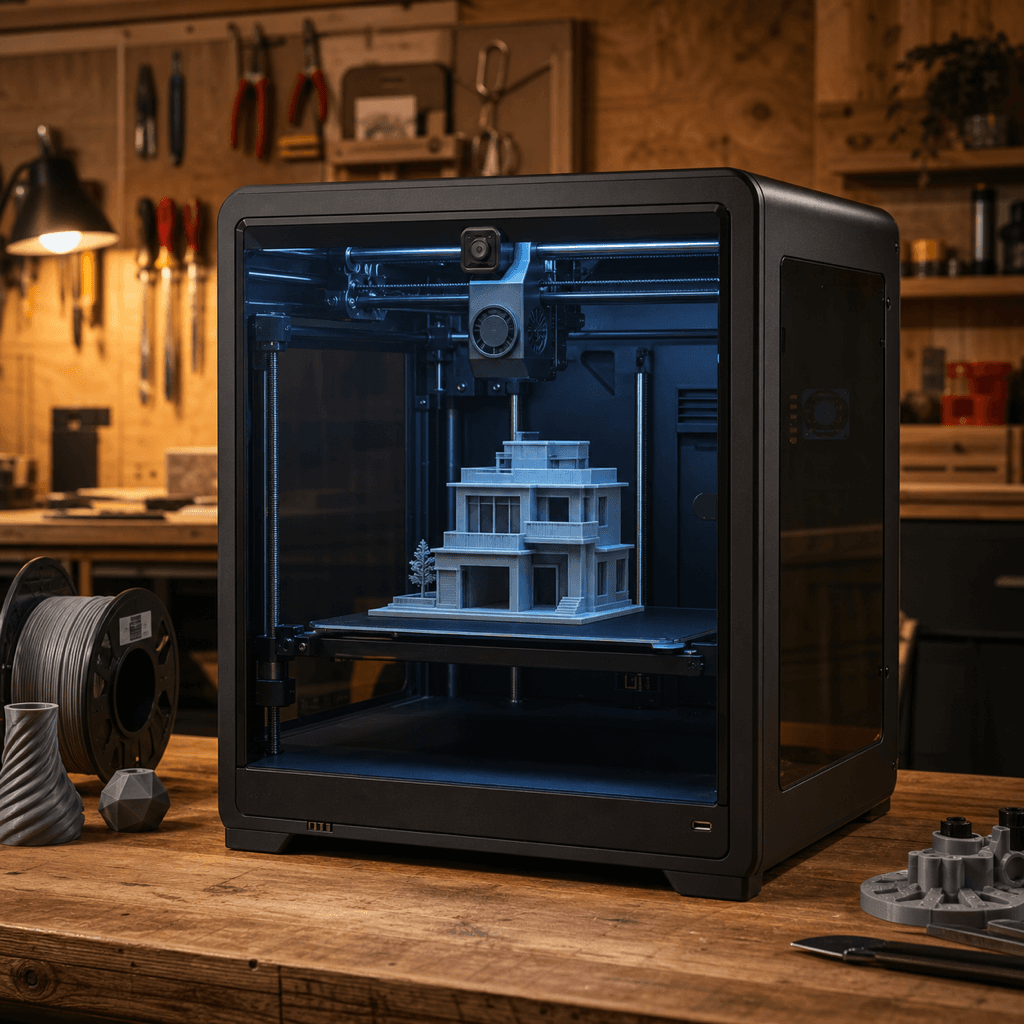
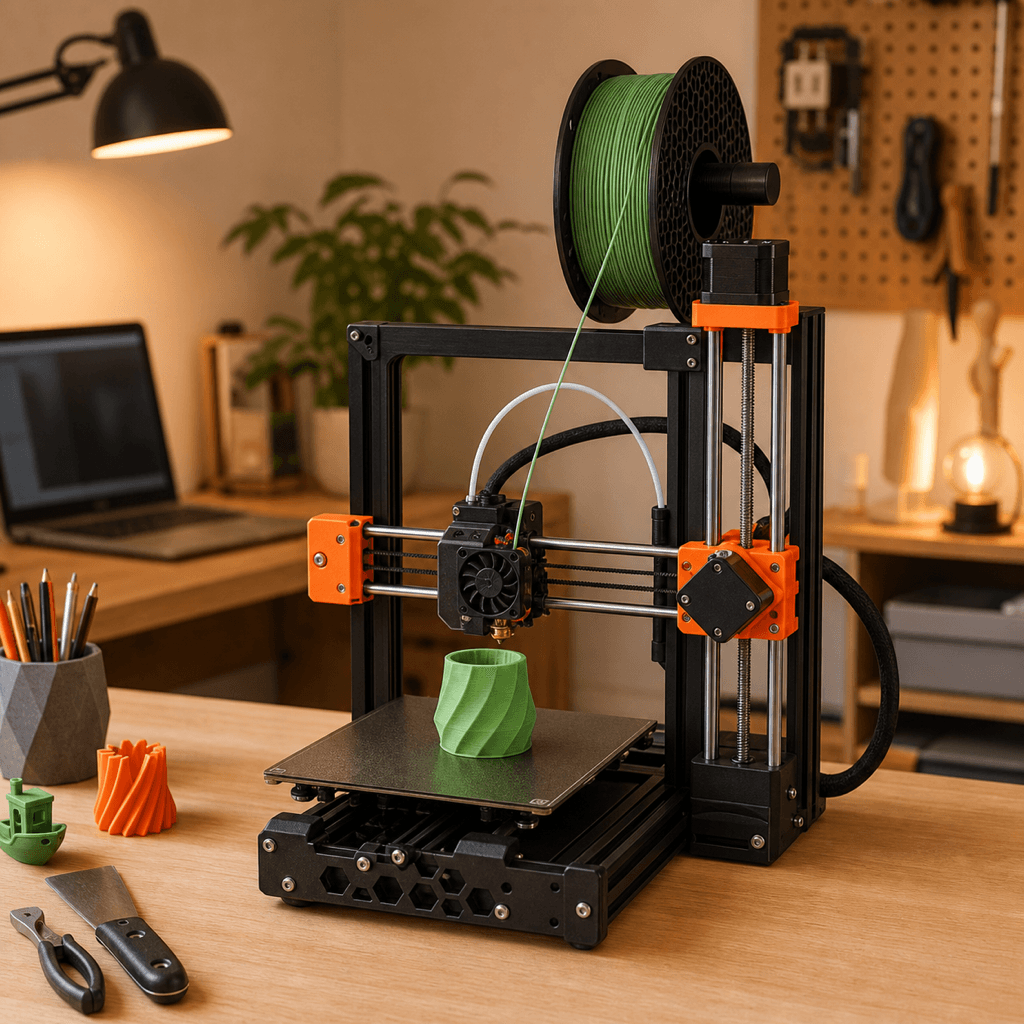
The Creality K1C and Prusa Mini+ are both FDM 3D printers competing in the same price bracket, $399 vs $459. Both are scored across value, beginner-friendliness, quality, speed, and reliability. Here's the full breakdown.
Our Verdict
It's a dead heat, both score 8.2/10 overall. The Creality K1C wins in Value, Speed, while the Prusa Mini+ takes Beginner Friendliness, Print Quality, Reliability. Pick based on which strengths matter more to you.
Direct answer
Creality K1C is the better pick for most buyers.
Choose Creality K1C if you want the stronger overall score, better fit for speed and enclosed, and the safer recommendation. Choose Prusa Mini+ only if its specific strengths matter more to you than the overall result.
Winner by buyer type
Best overall
Creality K1C
Best value
Creality K1C
Best build volume
Creality K1C
Score Breakdown
Specifications
| Spec | Creality K1C | Prusa Mini+ |
|---|---|---|
| Price | $399 | $459 |
| Type | FDM | FDM |
| Build Volume | 220 x 220 x 250 mm | 180 x 180 x 180 mm |
| Print Speed | 600 mm/s | 180 mm/s |
| Min Resolution | 0.05 mm | 0.05 mm |
| Weight | 13.5 kg | 4 kg |
| Overall Score | 8.2/10 | 8.2/10 |
Pros & Cons
Creality K1C
+Carbon fiber and PA support at $399 — no other enclosed CoreXY comes close at this price
+600mm/s with input shaping produces genuinely usable parts, not just benchmark numbers
+All-metal hotend is a free upgrade vs the standard K1
+Active enclosure helps with ABS/ASA warping without a separate enclosure purchase
+Creality's largest installed base means community fixes land fast
−220×220×250mm build volume is tight for large prints
−Creality OS is Klipper-based but not stock Klipper — some community configs don't transfer cleanly
−No multi-color support without third-party add-ons
−Fan noise at full speed is audible
Prusa Mini+
+Prusa's reputation for reliability is earned — this is their most-owned printer globally
+PrusaSlicer profiles are the gold standard; third-party slicers treat Prusa as the reference
+Open-source means every component is documented, replaceable, and community-supported
+SuperPINDA gives consistently excellent first layers without manual tramming
+4kg makes it genuinely portable — fits in a carry-on with room
−180×180×180mm is small — limits to desk accessories, figurines, and small functional parts
−180mm/s is slow compared to Bambu or Creality CoreXY machines
−Semi-enclosed means ABS warping is still a risk without an aftermarket enclosure
−Prusa charges a premium; the hardware isn't exceptional by 2025 standards
Who Should Buy Which?
Choose the Creality K1C if you want:
- A great printer for speed
- A great printer for enclosed
- A great printer for engineering
- A great printer for value
- Enclosed CoreXY architecture
- Carbon-fiber-capable all-metal hotend (up to 300°C)
- 600mm/s max print speed
Choose the Prusa Mini+ if you want:
- A great printer for reliability
- A great printer for beginner
- A great printer for value
- A great printer for desktop
- MINI/E input shaper toolhead (NextruderMINI compatible)
- SuperPINDA probe for first-layer precision
- Prusa Connect remote monitoring
Frequently Asked Questions
Is the Creality K1C better than the Prusa Mini+?
They tie at 8.2/10. The Creality K1C suits speed and enclosed, while the Prusa Mini+ is aimed at reliability and beginner.
Which is better for beginners, Creality K1C or Prusa Mini+?
The Prusa Mini+ is more beginner-friendly (9/10 vs 7/10) with easier setup and a gentler learning curve.
Is the Prusa Mini+ worth $60 more than the Creality K1C?
The Creality K1C actually scores higher (8.2/10) despite costing $60 less. The Prusa Mini+ only makes sense if you specifically need reliability.
What's the main difference between Creality K1C and Prusa Mini+?
Build volume (220x220x250mm vs 180x180x180mm) and print speed (600 vs 180 mm/s). The Creality K1C is best for speed; the Prusa Mini+ targets reliability.