Bambu Lab X1 Carbon Combo vs QIDI X-Plus 3
Head-to-head 3D printer comparison, 2026

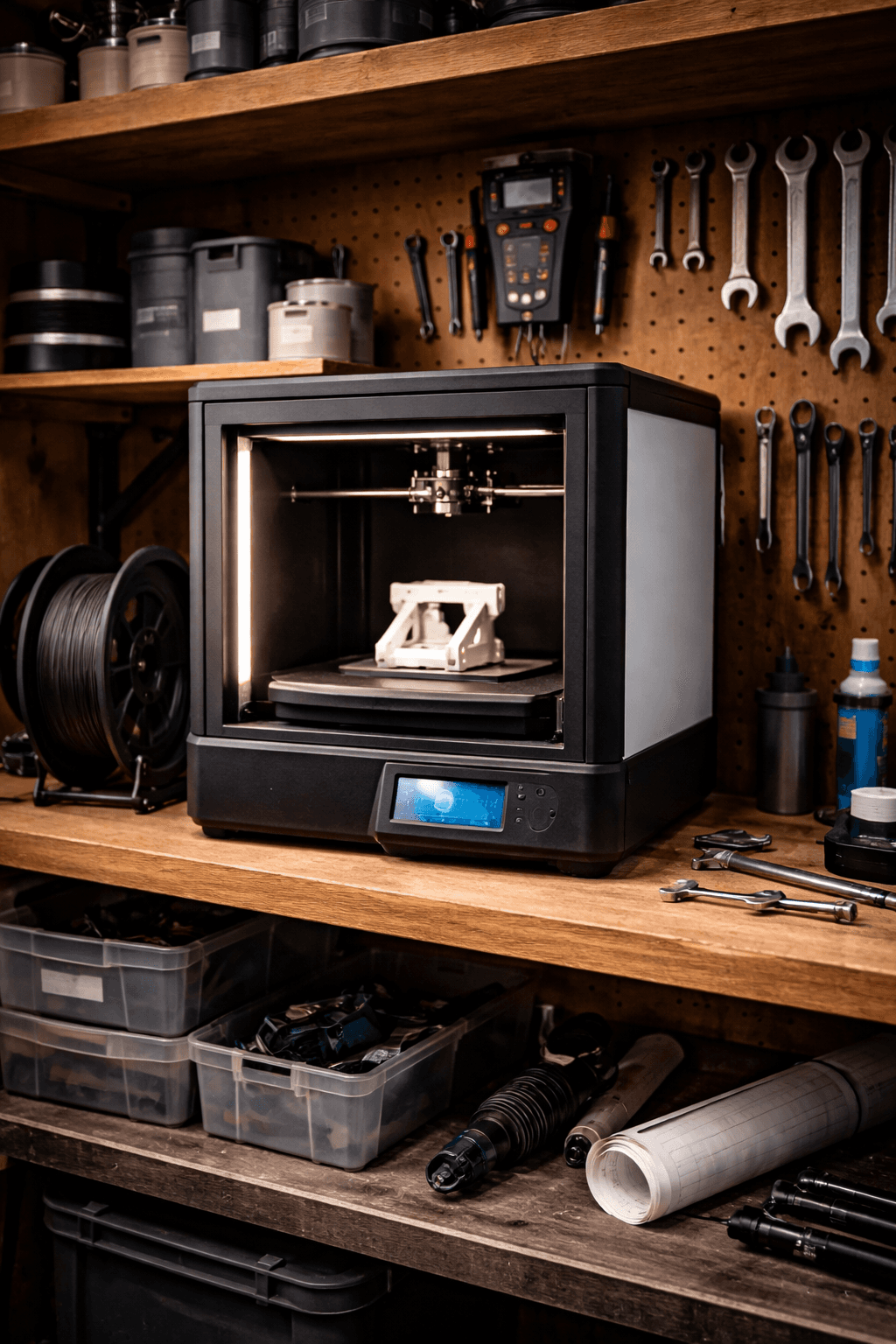
The Bambu Lab X1 Carbon Combo and QIDI X-Plus 3 are both FDM 3D printers competing in different tiers, $1199 vs $499. Both are scored across value, beginner-friendliness, quality, speed, and reliability. Here's the full breakdown.
Our Verdict
The Bambu Lab X1 Carbon Combo takes the crown with 8.8/10 vs 8.4/10. It pulls ahead in Print Quality, Reliability. That said, the QIDI X-Plus 3 saves you $700 and wins on Value.
Score Breakdown
Specifications
| Spec | Bambu Lab X1 Carbon Combo | QIDI X-Plus 3 |
|---|---|---|
| Price | $1199 | $499 |
| Type | FDM | FDM |
| Build Volume | 256 x 256 x 256 mm | 280 x 280 x 270 mm |
| Print Speed | 500 mm/s | 600 mm/s |
| Min Resolution | 0.05 mm | 0.05 mm |
| Weight | 15.8 kg | 17 kg |
| Overall Score | 8.8/10 | 8.4/10 |
Pros & Cons
Bambu Lab X1 Carbon Combo
+Lidar + auto-calibration eliminates first-layer anxiety on high-value prints
+AMS in the box: no separate multi-material module purchase needed
+HEPA filtration makes ABS/ASA printing genuinely office-safe
+Expandable to 16 colors by daisy-chaining up to 4 AMS units
+Bambu's reliability track record is the strongest in the consumer market
−$1,199 is a premium ask; the P1S Combo at $699 covers 90% of use cases for less
−Lidar calibration adds setup time on every new filament type
−AMS still purges filament on color transitions; purge blocks reduce waste but don't eliminate it
−Bambu ecosystem lock-in: proprietary slicing workflow works best with Bambu Studio
QIDI X-Plus 3
+60C active chamber heating is the real feature: ABS stops warping, Nylon actually sticks
+Handles PA, PC, and carbon-fiber composites without drama
+CoreXY at 600mm/s inside a heated enclosure is genuinely rare under $600
+280mm build volume is larger than most enclosed competitors at this price
−QIDI's slicer software feels like 2020: functional but not pleasant
−Community is small; problems require more DIY solving than Bambu or Creality
−Some components are proprietary, which makes upgrades harder
Who Should Buy Which?
Choose the Bambu Lab X1 Carbon Combo if you want:
- A great printer for engineering
- A great printer for multi-color
- A great printer for speed
- A great printer for professional
- A great printer for enclosed
- Enclosed CoreXY
- AMS multi-material (4 colors, expandable to 16 with 3 additional AMS units)
- Lidar sensor for first-layer and flow calibration
Choose the QIDI X-Plus 3 if you want:
- A great printer for engineering
- A great printer for abs
- A great printer for enclosed
- A great printer for speed
- Enclosed
- CoreXY
- Chamber heating (60C)
Frequently Asked Questions
Is the Bambu Lab X1 Carbon Combo better than the QIDI X-Plus 3?
By the numbers, the Bambu Lab X1 Carbon Combo scores higher (8.8/10). But "better" depends on your use case, the QIDI X-Plus 3 may be the smarter buy if you need engineering.
Which is better for beginners, Bambu Lab X1 Carbon Combo or QIDI X-Plus 3?
Both score 7/10 for beginners. Go with the QIDI X-Plus 3 to save $700.
Is the Bambu Lab X1 Carbon Combo worth $700 more than the QIDI X-Plus 3?
The Bambu Lab X1 Carbon Combo scores higher overall (8.8/10 vs 8.4/10). The extra $700 gets you lidar + auto-calibration eliminates first-layer anxiety on high-value prints.
What's the main difference between Bambu Lab X1 Carbon Combo and QIDI X-Plus 3?
Build volume (256x256x256mm vs 280x280x270mm) and print speed (500 vs 600 mm/s). The Bambu Lab X1 Carbon Combo is best for engineering; the QIDI X-Plus 3 targets engineering.