Prusa Mini+ vs QIDI X-Plus 3
Head-to-head 3D printer comparison, 2026
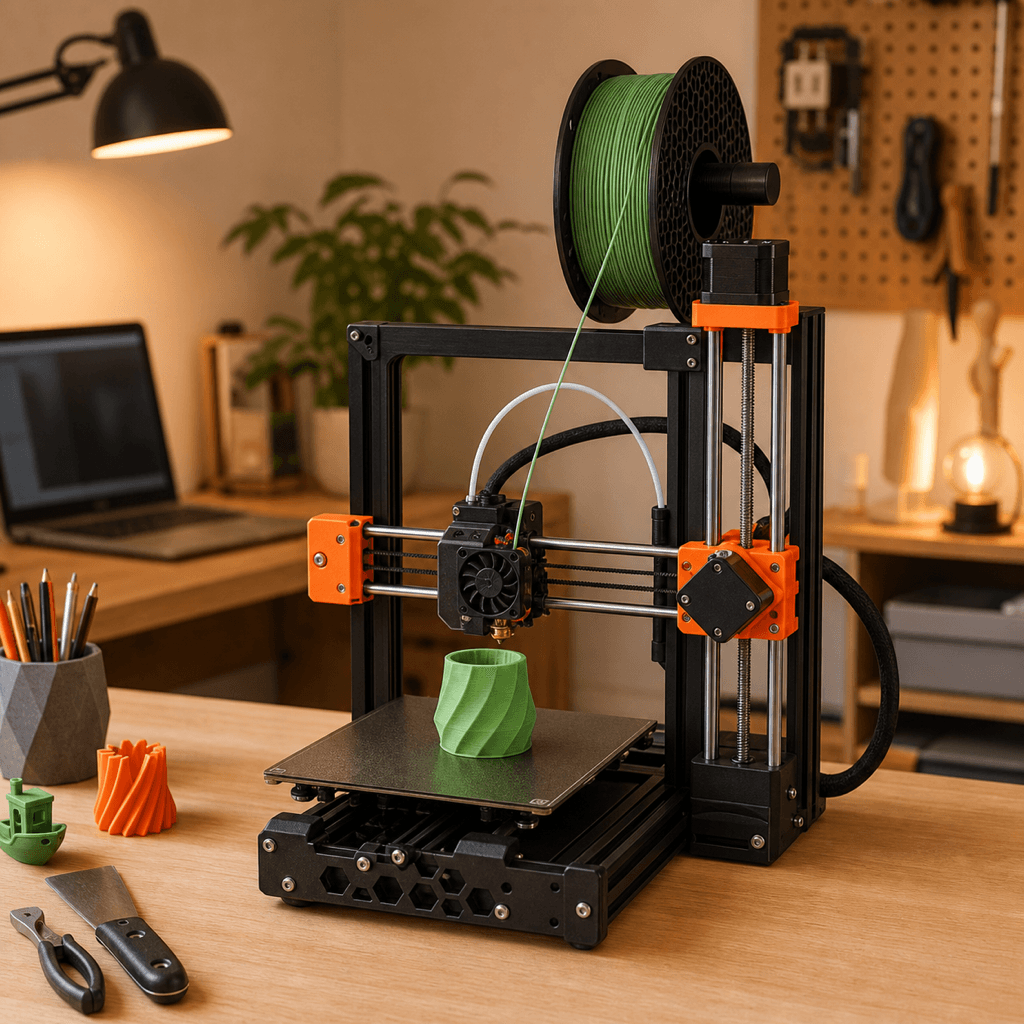
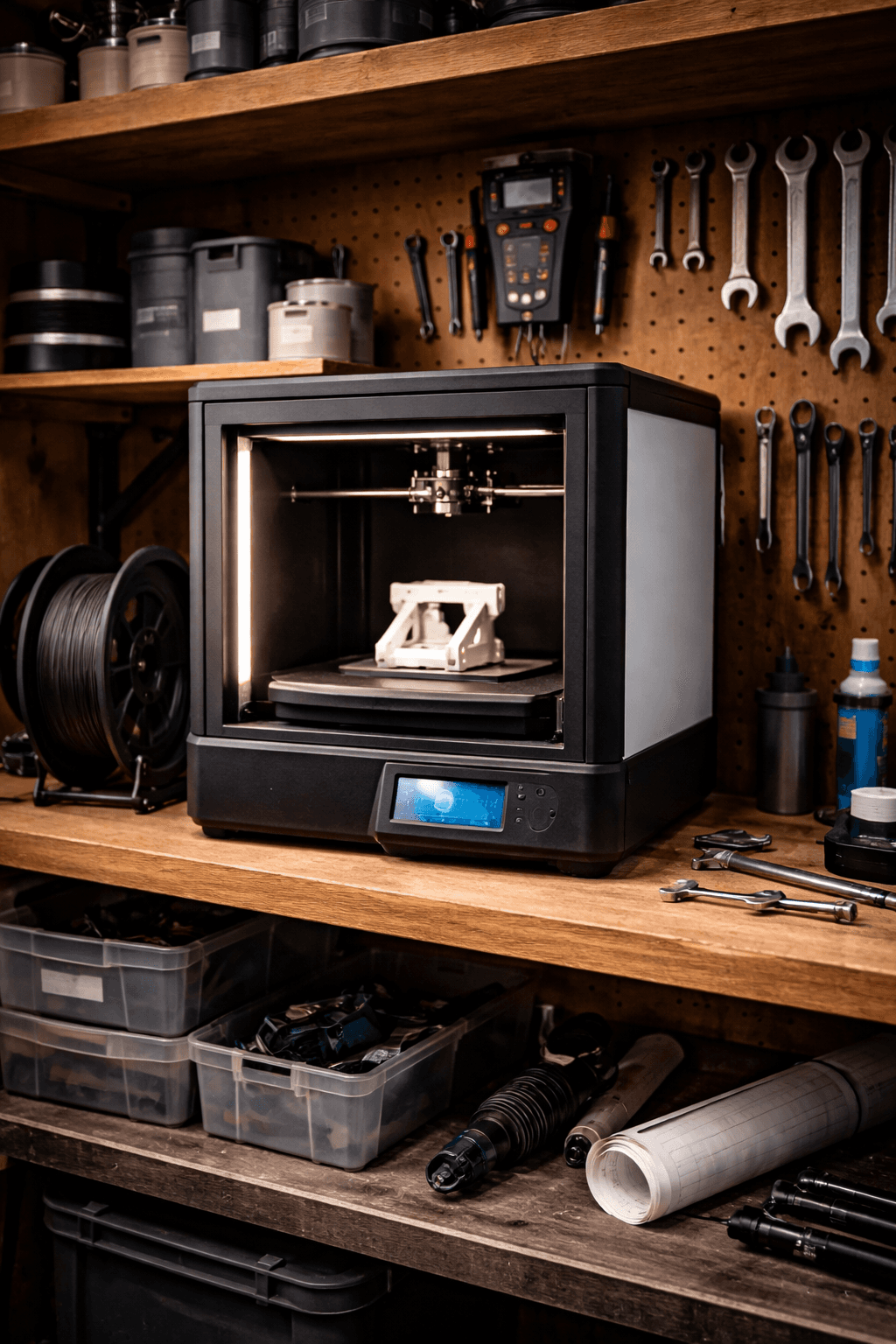
The Prusa Mini+ and QIDI X-Plus 3 are both FDM 3D printers competing in the same price bracket, $459 vs $499. Both are scored across value, beginner-friendliness, quality, speed, and reliability. Here's the full breakdown.
Our Verdict
The QIDI X-Plus 3 takes the crown with 8.4/10 vs 8.2/10. It pulls ahead in Value, Speed. That said, the Prusa Mini+ saves you $40 and wins on Beginner Friendliness, Reliability.
Direct answer
QIDI X-Plus 3 is the better pick for most buyers.
Choose QIDI X-Plus 3 if you want the stronger overall score, better fit for engineering and abs, and the safer recommendation. Choose Prusa Mini+ only if its specific strengths matter more to you than the overall result.
Winner by buyer type
Best overall
QIDI X-Plus 3
Best value
Prusa Mini+
Best build volume
QIDI X-Plus 3
Score Breakdown
Specifications
| Spec | Prusa Mini+ | QIDI X-Plus 3 |
|---|---|---|
| Price | $459 | $499 |
| Type | FDM | FDM |
| Build Volume | 180 x 180 x 180 mm | 280 x 280 x 270 mm |
| Print Speed | 180 mm/s | 600 mm/s |
| Min Resolution | 0.05 mm | 0.05 mm |
| Weight | 4 kg | 17 kg |
| Overall Score | 8.2/10 | 8.4/10 |
Pros & Cons
Prusa Mini+
+Prusa's reputation for reliability is earned — this is their most-owned printer globally
+PrusaSlicer profiles are the gold standard; third-party slicers treat Prusa as the reference
+Open-source means every component is documented, replaceable, and community-supported
+SuperPINDA gives consistently excellent first layers without manual tramming
+4kg makes it genuinely portable — fits in a carry-on with room
−180×180×180mm is small — limits to desk accessories, figurines, and small functional parts
−180mm/s is slow compared to Bambu or Creality CoreXY machines
−Semi-enclosed means ABS warping is still a risk without an aftermarket enclosure
−Prusa charges a premium; the hardware isn't exceptional by 2025 standards
QIDI X-Plus 3
+60C active chamber heating is the real feature: ABS stops warping, Nylon actually sticks
+Handles PA, PC, and carbon-fiber composites without drama
+CoreXY at 600mm/s inside a heated enclosure is genuinely rare under $600
+280mm build volume is larger than most enclosed competitors at this price
−QIDI's slicer software feels like 2020: functional but not pleasant
−Community is small; problems require more DIY solving than Bambu or Creality
−Some components are proprietary, which makes upgrades harder
Who Should Buy Which?
Choose the Prusa Mini+ if you want:
- A great printer for reliability
- A great printer for beginner
- A great printer for value
- A great printer for desktop
- MINI/E input shaper toolhead (NextruderMINI compatible)
- SuperPINDA probe for first-layer precision
- Prusa Connect remote monitoring
Choose the QIDI X-Plus 3 if you want:
- A great printer for engineering
- A great printer for abs
- A great printer for enclosed
- A great printer for speed
- Enclosed
- CoreXY
- Chamber heating (60C)
Frequently Asked Questions
Is the Prusa Mini+ better than the QIDI X-Plus 3?
By the numbers, the QIDI X-Plus 3 scores higher (8.4/10). But "better" depends on your use case, the Prusa Mini+ may be the smarter buy if you need reliability.
Which is better for beginners, Prusa Mini+ or QIDI X-Plus 3?
The Prusa Mini+ is more beginner-friendly (9/10 vs 7/10) with easier setup and a gentler learning curve.
Is the QIDI X-Plus 3 worth $40 more than the Prusa Mini+?
The QIDI X-Plus 3 scores higher overall (8.4/10 vs 8.2/10). The extra $40 gets you 60c active chamber heating is the real feature: abs stops warping, nylon actually sticks.
What's the main difference between Prusa Mini+ and QIDI X-Plus 3?
Build volume (180x180x180mm vs 280x280x270mm) and print speed (180 vs 600 mm/s). The Prusa Mini+ is best for reliability; the QIDI X-Plus 3 targets engineering.