Bambu Lab P1S vs QIDI X-Plus 3: Best Enclosed Printer Under $600?
Two enclosed printers, two different philosophies. Compare features, materials, and value.
Top pick in this guide
Bambu Lab P1S
$449, PrintPick score 9/10. Check the live price before it moves.
Bambu Lab P1S
Bambu Lab P1S ($599), Score: 9/10, $449
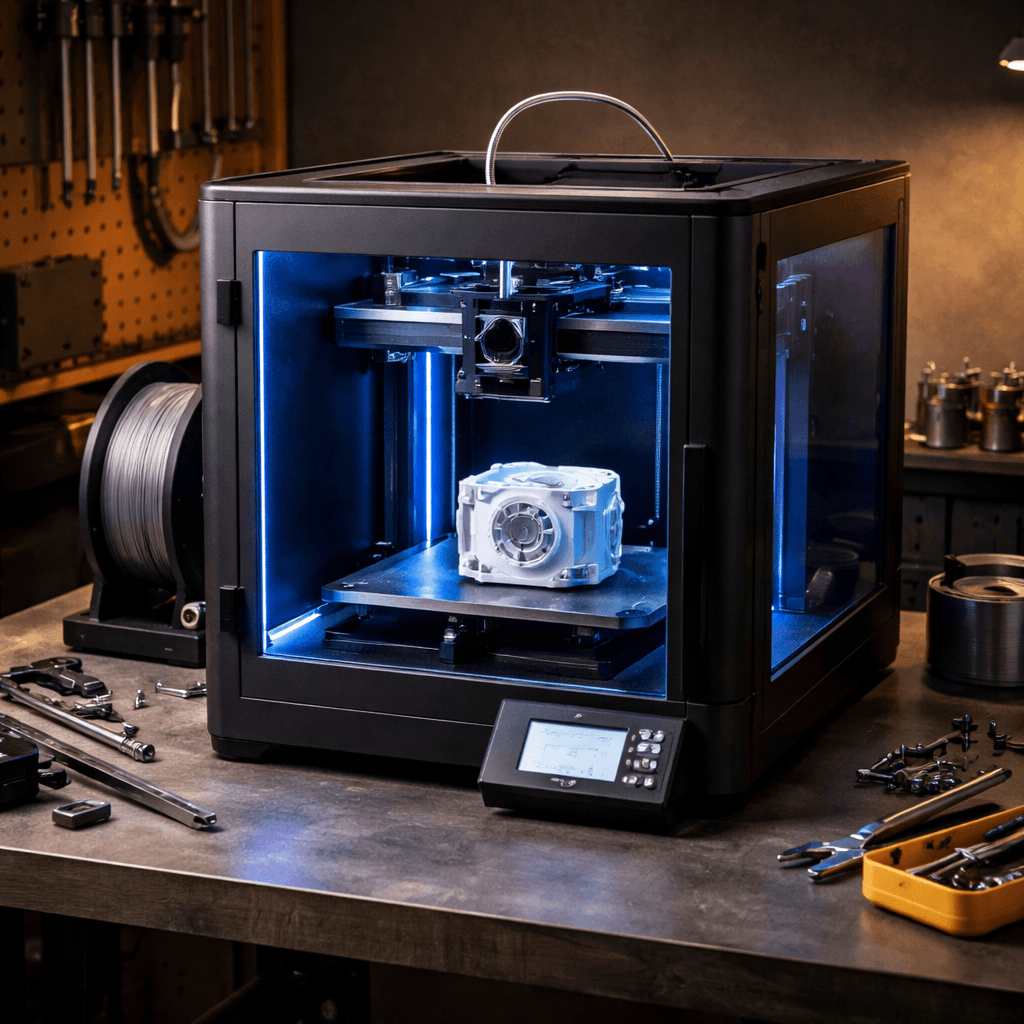
The P1S is the default recommendation for enclosed printing and there is a clear reason: Bambu Studio is better than everything else at this price. Pre-tuned profiles, easy AMS multi-color setup, camera monitoring from your phone, and the best print management interface in the category. You unbox this printer and it just works. HEPA and carbon filtration make it usable in a bedroom or home office without dealing with fumes. The enclosure passively heats to 40-45 degrees, which handles ABS and ASA reliably for most geometry. The speed at 500mm/s is also at the top of the enclosed category. The honest limitation: no active chamber heating. For Nylon and Polycarbonate, 40-45 degrees is not enough. I have seen inconsistent PA12 prints on the P1S, fine on small pieces, problematic on anything with a large flat surface that wants to warp. If Nylon or PC is not on your materials list, this limitation is irrelevant. For 90% of enclosed printing use cases, the P1S is the right machine.
QIDI X-Plus 3
QIDI X-Plus 3 ($499), Score: 8.4/10, $499
The X-Plus 3 is $100 cheaper than the P1S and has one hardware feature the P1S lacks: an active chamber heater that brings the interior to 60 degrees Celsius. That number matters. PA12 Nylon warps severely below 50 degrees ambient. Above 55, it prints cleanly with good layer adhesion. PC (Polycarbonate) needs 50+ to avoid corner curling and delamination. The X-Plus 3 makes both materials actually printable. The P1S does not, not reliably. Build volume at 280x280x270mm is slightly larger than the P1S. Print speed at 350mm/s is slower, though for engineering materials that often run at 50-100mm/s anyway, this gap barely matters. The software trade-off is real. QIDI's slicer is functional but noticeably less polished than Bambu Studio. Profiles need more manual adjustment. The app is less reliable. WiFi sometimes needs extra troubleshooting. These are friction points you'll feel weekly. For PLA and PETG the P1S experience is better. For Nylon and PC the X-Plus 3 is the only choice at this price.
The Bottom Line
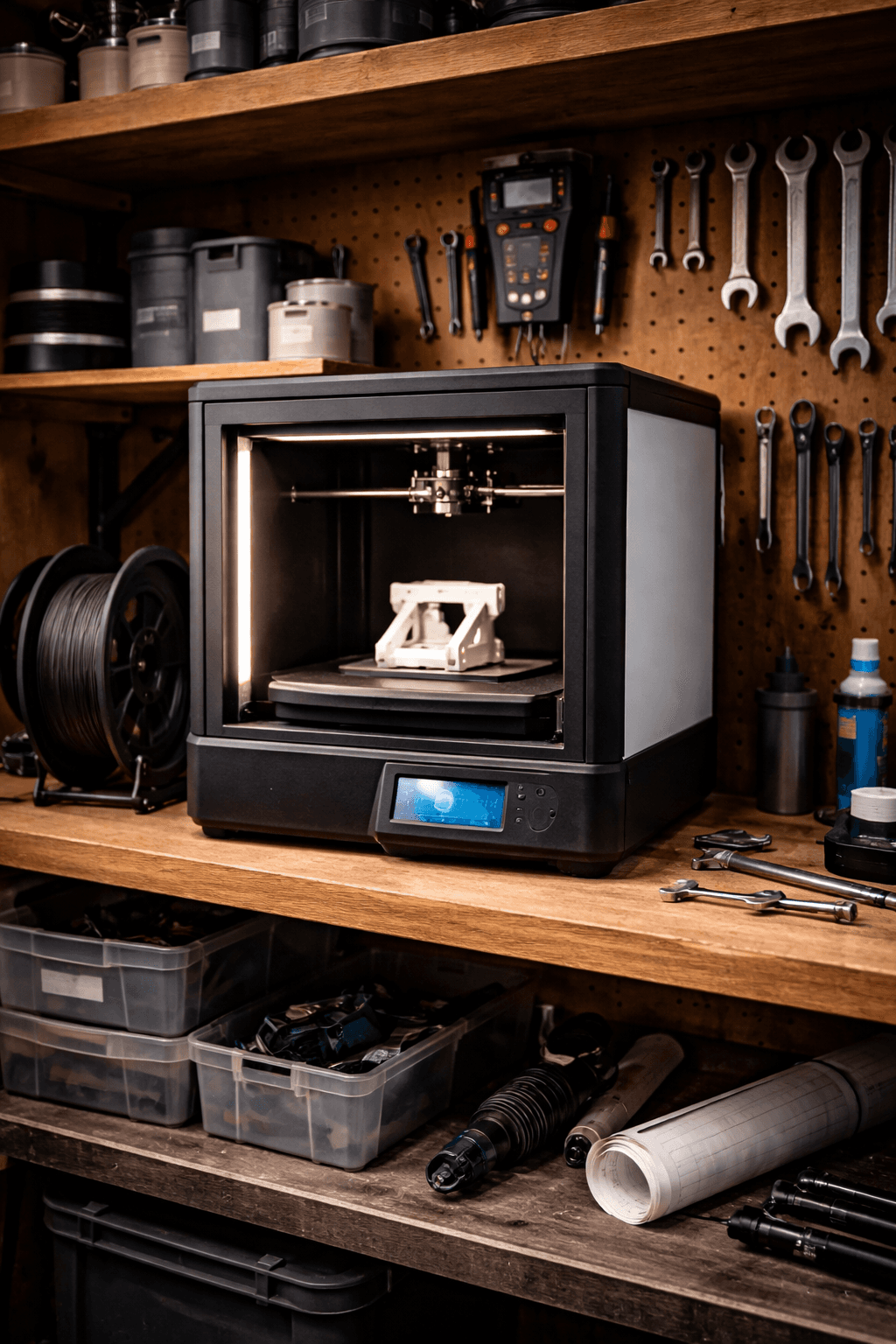
The decision is purely about materials. Printing PLA, PETG, and occasional ABS? The P1S's software, community, and reliability justify the $100 premium. Regularly printing Nylon, PC, or other engineering materials that need 55-60 degrees ambient? The X-Plus 3 is the correct printer. That active chamber heating is unavailable at this price point anywhere else. Pick wrong and you'll either overpay for features you didn't need or underperform on materials you do.
Related Articles
Bambu Lab P1S vs P2S Differences: Which Should You Buy?
Bambu Lab P1S vs P2S differences explained: nozzle swaps, camera, AMS, screen, price, and the clear buy recommendation for new buyers and P1S owners.
Elegoo Centauri Carbon Review 2026: Enclosed CoreXY for $299
An enclosed CoreXY 3D printer for $299 shouldn't exist. The Elegoo Centauri Carbon does exist, and it's genuinely good. Here's what you get, what you give up, and how it stacks up against the Bambu A1 Combo.
Best Enclosed 3D Printer 2026: 5 Picks from $379 to $549, One Clear Winner
ABS, ASA, and nylon need an enclosure. Our picks from $379 (Flashforge Adventurer 5M Pro) to $549 (Bambu P1S), with a clear verdict for apartment use, engineering filaments, and budget buyers.