QIDI X-Plus 3 vs Bambu P1S: Budget Enclosed Showdown
QIDI X-Plus 3 ($499) vs Bambu Lab P1S ($599): the battle for best enclosed printer value. Active heating vs better software.
Top pick in this guide
QIDI X-Plus 3
$499, PrintPick score 8.4/10. Check live Amazon price before it moves.
QIDI X-Plus 3
QIDI X-Plus 3 ($499), Score: 8.4/10, $499
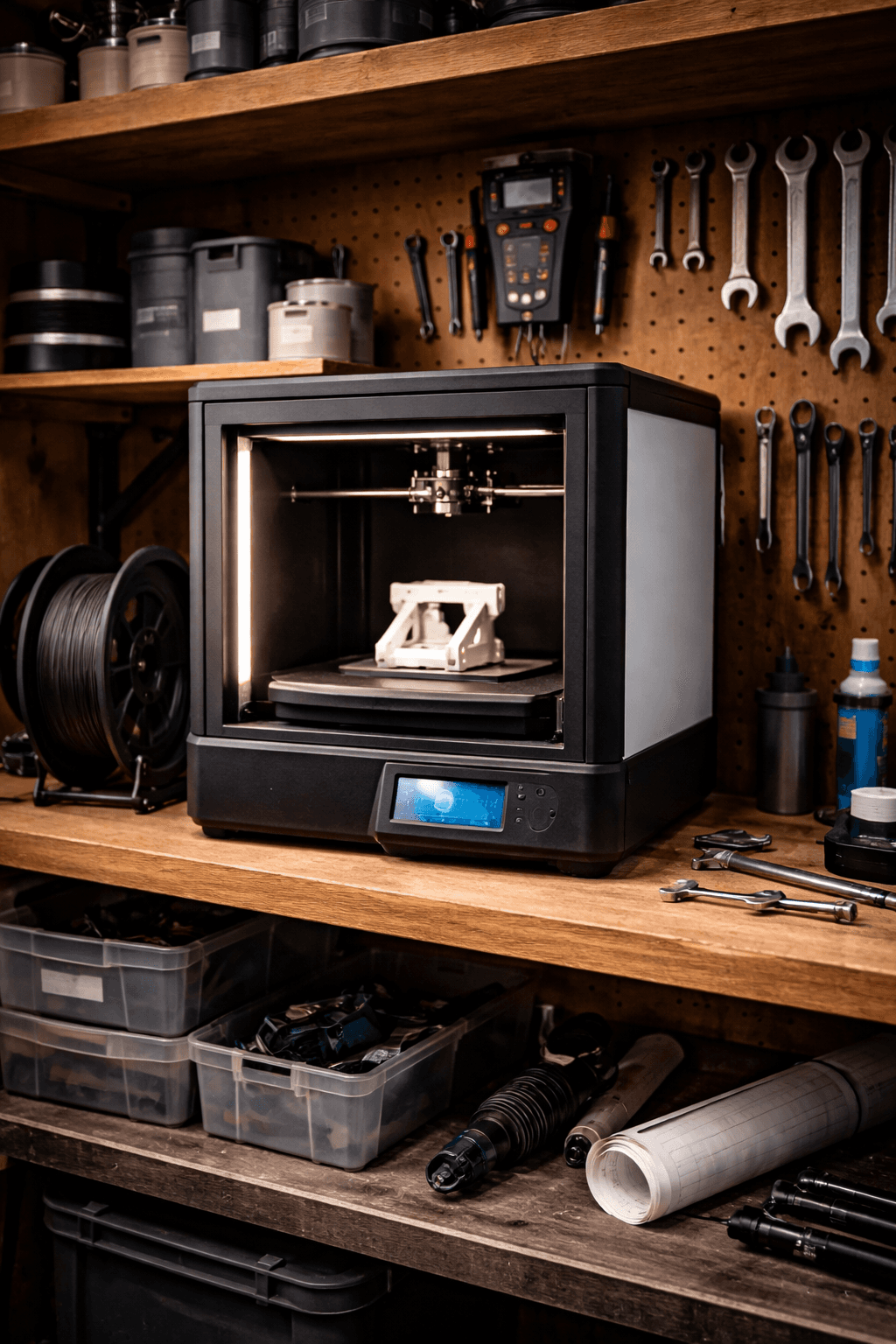
The X-Plus 3's headline is active chamber heating to 60°C. The Bambu P1S passively reaches 40-45°C; the X-Plus 3 heats the chamber on purpose. That gap matters for Nylon and Polycarbonate. At 60°C you get genuine engineering material printing without the warping issues that plague open-frame and passively-enclosed printers. The 280x280x270mm build volume beats the P1S's 256mm cube. CoreXY at 600mm/s. Direct drive handles flexibles and abrasives. Where it falls short: QIDI's slicer and app are functional but noticeably less polished than Bambu Studio. The community is smaller, troubleshooting resources less abundant, firmware updates slower. Some early X-Plus 3 units needed calibration adjustments out of the box. If material capability is your priority and you're comfortable with less hand-holding, the X-Plus 3 at $499 is a strong machine.
Bambu Lab P1S
Bambu Lab P1S ($599), Score: 9/10, $449
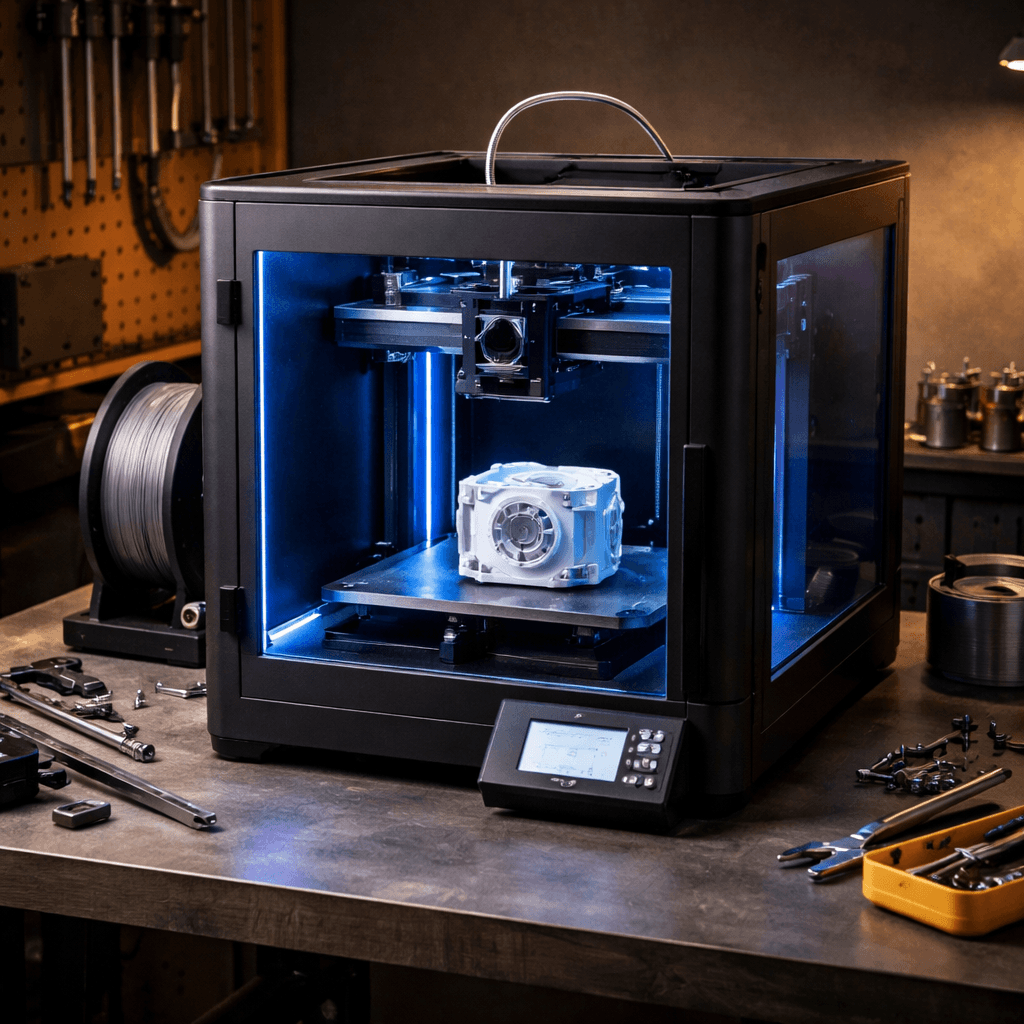
Bambu Studio is the best slicer available, and the P1S is built around that ecosystem. One-click profiles, multi-color painting tools, remote monitoring, AI failure detection. From unboxing to printing ABS takes minutes. HEPA filtration is effective enough for bedroom or office use. AMS compatibility makes multi-color prints straightforward. Print quality is excellent out of the box: precise dimensions, clean layer lines, minimal stringing. The enclosed chamber reaches 40-45°C passively, which handles ABS and ASA reliably. For Nylon and Polycarbonate, that passive temp is a real limitation compared to the X-Plus 3's 60°C. The community is massive. Hundreds of thousands of users, deep libraries of profiles, abundant YouTube guides. The $100 premium over the X-Plus 3 buys software polish and community depth. For users printing PLA, PETG, and ABS with occasional engineering work, it's worth it.
The Bottom Line
Get the QIDI X-Plus 3 if you regularly print Nylon, Polycarbonate, or carbon fiber composites. Active 60°C heating is the only way to do that reliably under $600. Get the Bambu P1S if you want frictionless software, a huge community, and reliability confidence. For most users printing PLA, PETG, and ABS, the P1S is the easier call. For engineers pushing material limits, the X-Plus 3 is the one that can actually do it.
Related Articles
Bambu Lab P1S vs QIDI X-Plus 3: Best Enclosed Printer Under $600?
Two enclosed printers, two different philosophies. Compare features, materials, and value.
Bambu Lab P2S vs P1S: Is the Upgrade Worth It?
The P2S replaces the beloved P1S. Here's exactly what changed, what got better, and whether you should upgrade or buy new.
Elegoo Centauri Carbon Review 2026: Enclosed CoreXY for $299
An enclosed CoreXY 3D printer for $299 shouldn't exist. The Elegoo Centauri Carbon does exist, and it's genuinely good. Here's what you get, what you give up, and how it stacks up against the Bambu A1 Combo.